





Types of Search Engine Algorithm: Complete Guide
If you have ever wondered why some websites rank on page one while others barely get a visit, the answer almost always comes back to the types of search engine algorithm running behind the scenes. These algorithms are the invisible engines that decide which content deserves visibility and which content gets buried. Understanding them is not just a technical exercise — it is the foundation of any smart SEO strategy.
At Directory One, we have spent years helping Houston businesses navigate algorithm changes and turn search visibility into real business growth. This guide breaks down the most important types of search engine algorithm in plain, practical language.
What Is a Search Engine Algorithm?
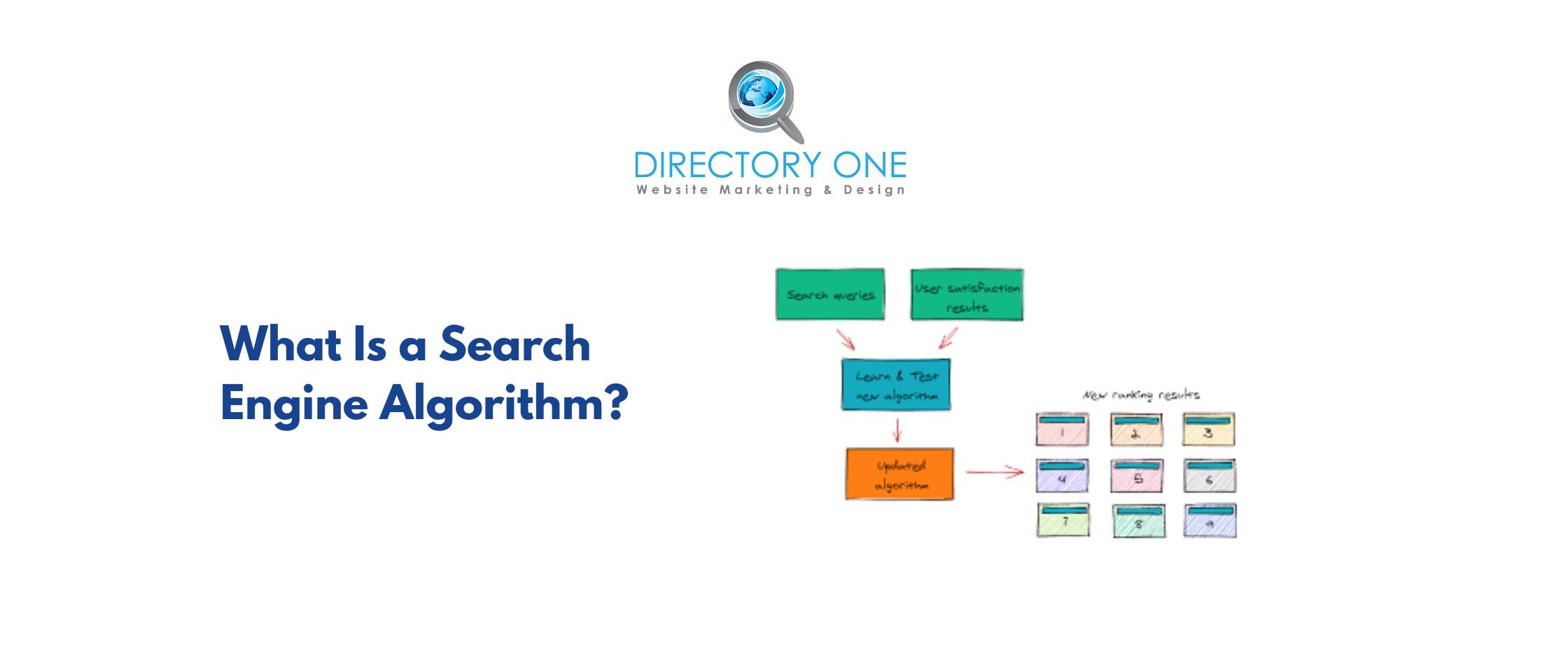
A search engine algorithm is a set of rules and calculations a search engine uses to retrieve, evaluate, and rank web pages for a given query. The algorithm used by Google search engine evaluates:
- Content relevance
- Website quality
- User experience
These factors together form a search engine optimization algorithm that determines rankings. Think of it as a scoring system — one that weighs hundreds of signals like content quality, backlinks, page speed, and user intent to decide what goes to the top of the results page.
According to Google, its algorithm uses over 200 ranking factors to deliver results. That complexity is exactly why understanding the types of search engine algorithm matters — each update targets a different aspect of web quality.
The algorithm in search engine technology has evolved dramatically from simple keyword matching to machine-learning models that understand the meaning and context behind a search query.
Why Do Search Engines Need to Adjust Their Algorithms Frequently?
Search engines need to adjust their algorithms frequently for one core reason: the web is constantly changing, and so is how people search. Spammers find loopholes. User behavior shifts. New technologies like voice search and AI-generated content create fresh ranking challenges.
Google confirmed it makes thousands of changes to its search algorithm every year — most go unnoticed, but major updates can shake entire industries overnight. Staying informed about search engine algorithm updates is essential for businesses that rely on organic traffic.
Types of Search Engine Algorithm & Google Major Algorithm Updates?
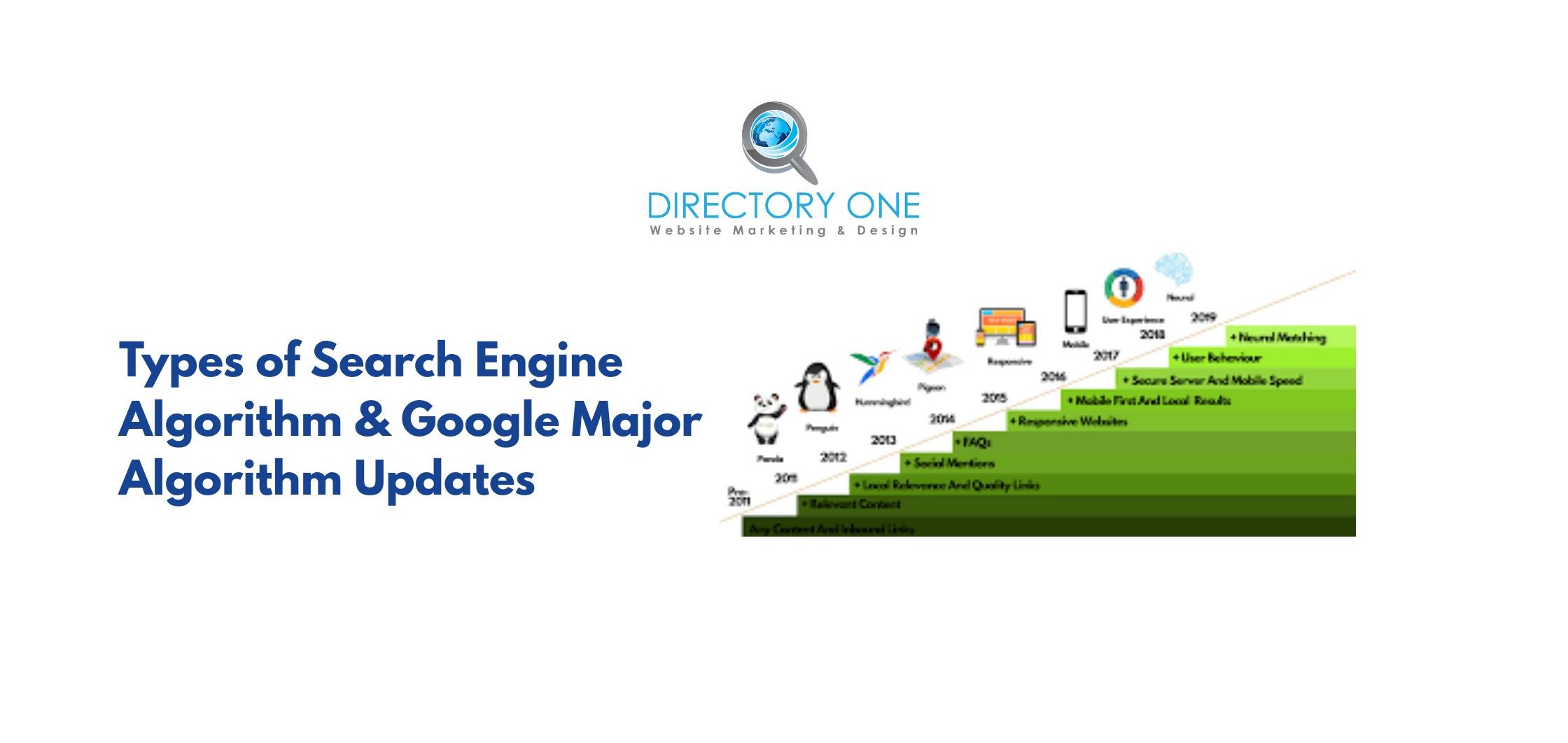
Google does not have just one algorithm — it runs several overlapping systems simultaneously. Below are the most significant types of Google algorithm and Google major algorithm updates? that every SEO professional should know.
1. Google Panda — Content Quality Filter
Launched in 2011, the Google Panda algorithm targets thin, duplicate, and low-quality content. If a website has pages stuffed with irrelevant keywords or content that adds little real value, Panda penalises it. The Google Panda and Penguin update era marked a turning point — it forced the entire SEO industry to take content quality seriously.
Key signal: Content depth, originality, and overall site quality.
2. Google Penguin — Link Spam Detector
The Google Penguin update, first rolled out in 2012, focuses on link quality. It penalises websites that try to manipulate rankings through unnatural backlinks — paid links, link farms, or low-quality directories. After the Google Panda & Penguin update cycle matured, the Penguin algorithm was integrated directly into Google’s core systems, meaning it now operates in real time.
Key signal: Link quality, anchor text diversity, and the authority of linking domains.
3. Hummingbird Google Algorithm — Semantic Search
The Hummingbird Google algorithm SEO update (2013) was a complete rewrite of how Google processes queries. Rather than matching keywords word-for-word, Hummingbird interprets the full meaning of a search. If someone types “best place for tacos near me open now,” Hummingbird understands all parts of that query — intent, location, and timing — simultaneously.
Key signal: Conversational queries, long-tail intent, and semantic relevance.
4. RankBrain Google Algorithm — Machine Learning at Scale
Announced in 2015, the RankBrain Google algorithm was Google’s first AI-based ranking signal. It uses machine learning to handle queries Google has never seen before, which accounts for a significant share of daily searches. RankBrain learns from user behavior signals like click-through rates and time on page to adjust rankings dynamically.
Stat: Google has confirmed that RankBrain is one of the top three most important ranking signals.
Key signal: User engagement, query interpretation, and behavioural patterns.
5. Google BERT Algorithm — Natural Language Understanding
The Google BERT algorithm (Bidirectional Encoder Representations from Transformers), launched in 2019, was one of the most significant advances in how Google understands language. BERT focuses on the relationship between words in a query — particularly small words like “for” and “not” that change meaning entirely. It does not change rankings directly; it changes how Google reads both your content and the user’s query.
Key signal: Natural language, prepositions, context, and nuanced query meaning.
6. Google’s PageRank Algorithm — The Original Foundation
Google’s PageRank algorithm is where it all started. Developed by Larry Page in the late 1990s, PageRank evaluates the importance of a web page based on the number and quality of links pointing to it. While PageRank is no longer a public metric, its logic still underpins Google’s link evaluation systems today. A link from a highly authoritative site still carries significantly more weight than a link from an unknown blog.
Key signal: Backlink authority, link volume, and domain trust.
How Do Search Engine Algorithms Work Together?
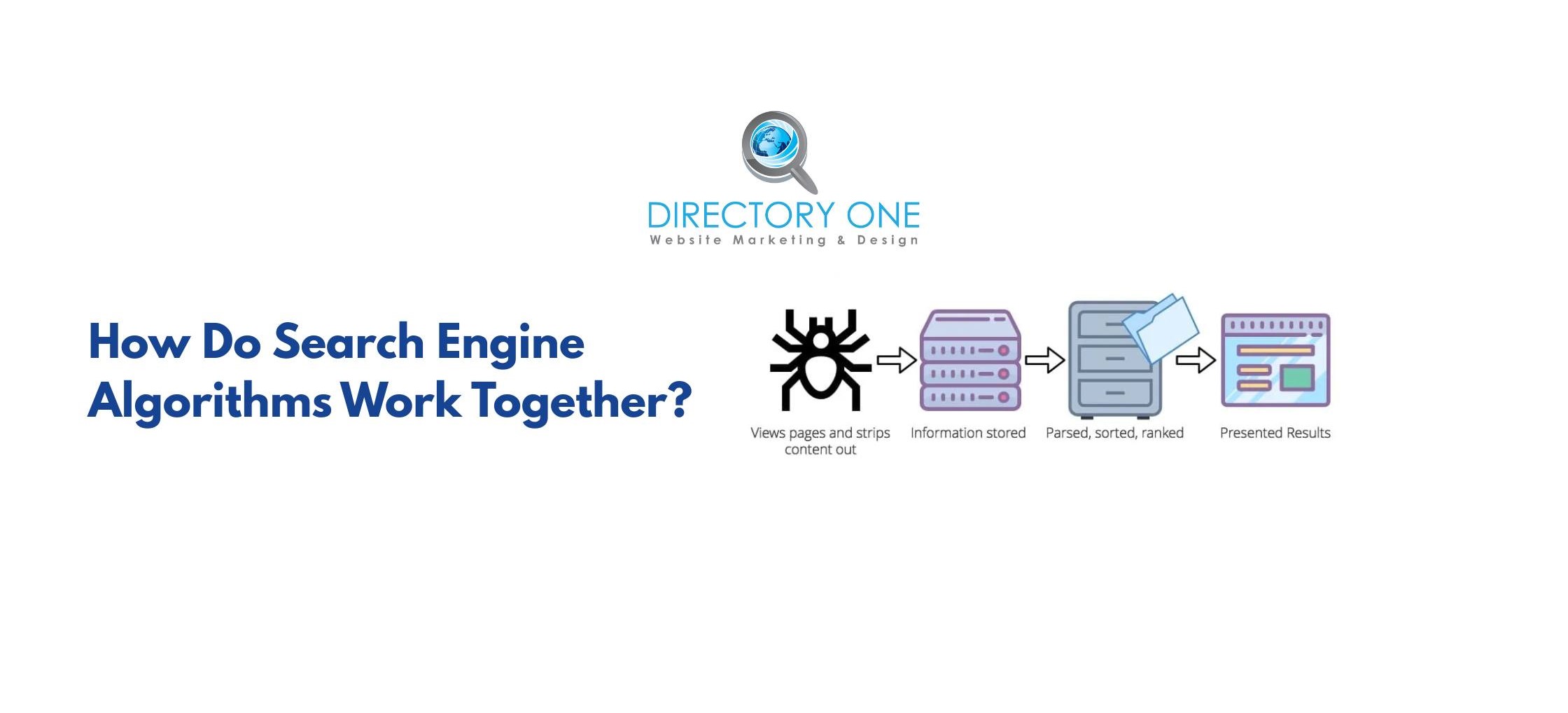
It is important to understand that these are not separate systems running in isolation. To understand how do search engine algorithms work, think of it as a process:
- Crawl websites
- Index content
- Rank pages based on relevance
The algorithm used by the Google search engine layers multiple signals simultaneously. When a user searches for something, Google’s systems run through content quality checks (Panda logic), evaluate link profiles (Penguin logic), interpret query meaning (Hummingbird and BERT), and factor in machine-learning signals (RankBrain) — all in a fraction of a second.
Remember, a page might have excellent content, but a poor link profile. Or it might have great links but thin content. Modern SEO must address all layers at once. Hence, a strong search engine optimization algorithm strategy focuses on improving each of these steps.
Why Algorithms Change Frequently?
A common question is, why do search engines need to adjust their algorithms frequently?
The answer is simple:
- To improve search accuracy
- To reduce spam
- To match changing user behavior
Regular updates ensure better results for users and fair competition among websites.
Latest Update in Google Algorithm
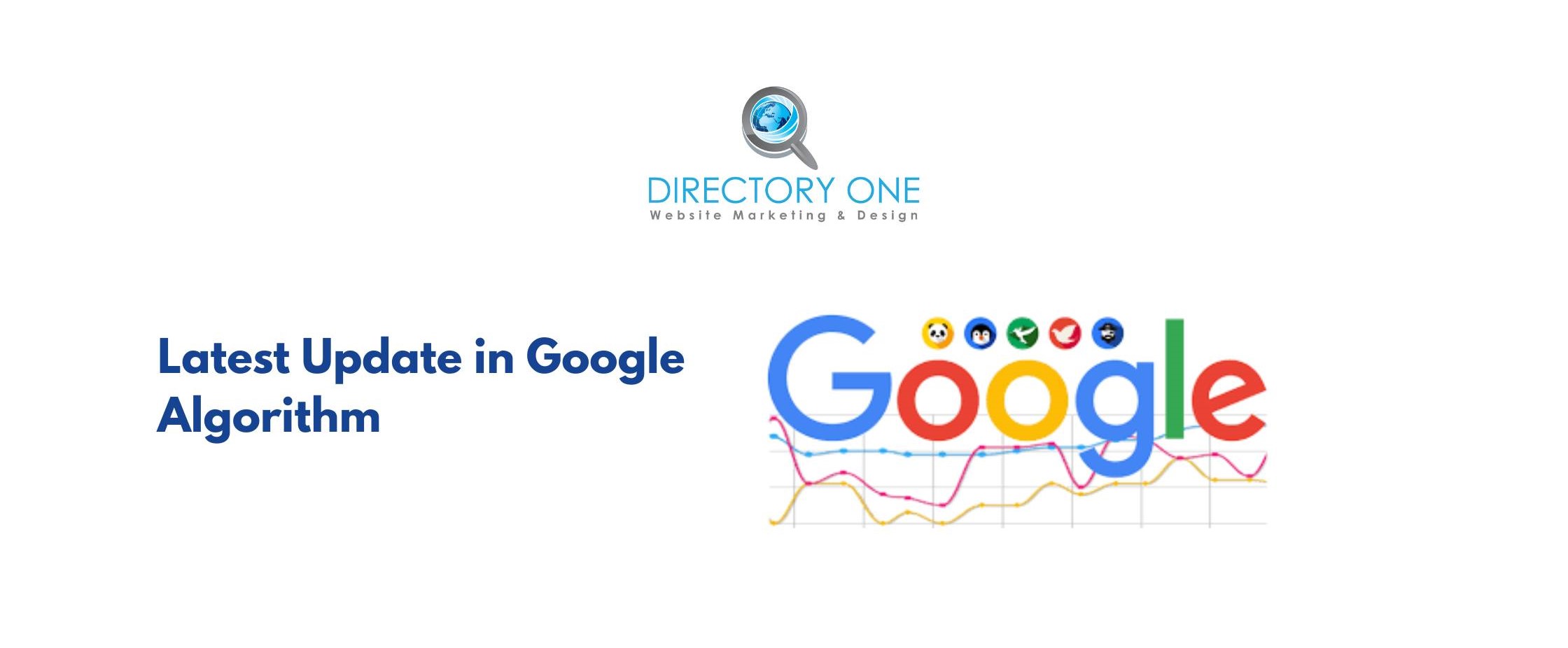
Google’s most recent major changes have centered on three priorities: eliminating unhelpful AI-generated content at scale, rewarding content that demonstrates first-hand experience, and reducing the visibility of websites that exist only to rank rather than to serve readers.
The latest update in Google algorithm series — known as the Helpful Content System — now operates as a core part of how Google evaluates every page on the web, not just during periodic refreshes. For businesses, this means content quality is not a one-time project. It is an ongoing commitment.
The Google search engine algorithm name most associated with this era is the “Helpful Content Update,” which runs continuously and affects site-wide scores based on the proportion of truly useful content a domain publishes.
How Do Search Engines Rank Websites?
Understanding how search engines rank websites means understanding the interplay of these algorithm types, plus additional layers, including:
- Core Web Vitals — page speed, interactivity, and visual stability
- Mobile-first indexing — Google primarily uses the mobile version of your site for ranking
- E-E-A-T — Experience, Expertise, Authoritativeness, and Trustworthiness
- Structured data and schema markup — helping Google understand content context
- User signals — dwell time, bounce rate, and engagement patterns
Backlinko research found that the top-ranking result on Google gets approximately 27.6% of all clicks, compared to just 2.4% for the tenth result. This illustrates exactly how much the algorithm in search engines matters for real business outcomes.
Why Do Types of Search Engine Algorithm Matter for Your Business?
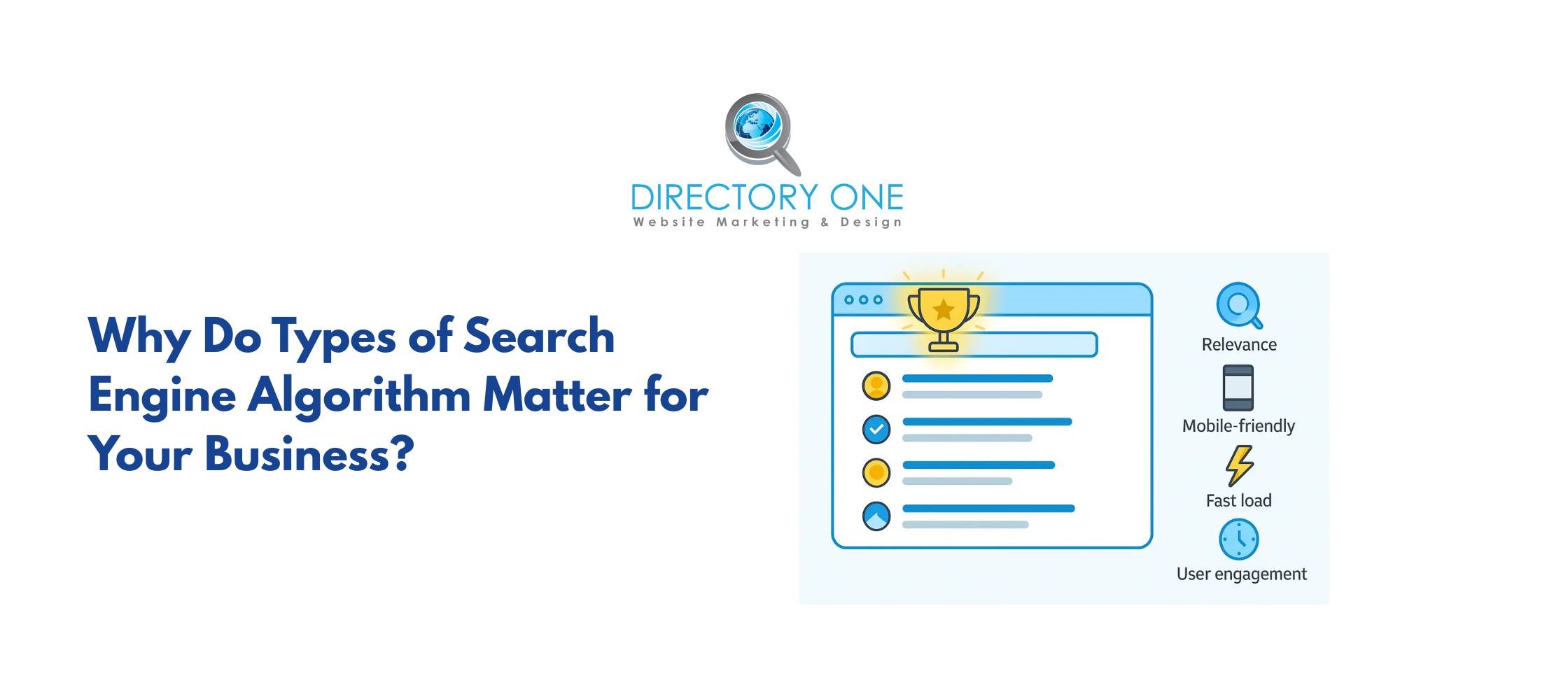
Every algorithm update has business consequences. A Panda-style content penalty can cut organic traffic overnight. A Penguin-triggered link issue can suppress rankings for months. Missing RankBrain signals means losing visibility on queries your customers use every day.
The search engine algorithms list has grown more sophisticated every year, and the gap between businesses that adapt and those that ignore these signals keeps widening. According to Semrush data, organic search drives over 53% of all website traffic — making it the single largest source of online visitors for most businesses.
For companies in competitive markets, understanding the types of search engine algorithm is not just useful background knowledge. It is a direct competitive advantage.
Partner With an SEO Team That Knows the Algorithm Landscape
Algorithm changes happen. Rankings shift. But businesses that build their SEO strategy on a clear understanding of how search engine algorithms work are the ones that recover faster, rank higher, and grow consistently.
At Directory One, we do not chase shortcuts. We build SEO strategies grounded in what Google’s algorithms actually reward — authoritative content, clean link profiles, strong user experience, and technical precision.
If your rankings have been affected by a recent algorithm update, or if you want to build a search strategy that holds up through the next one, we are ready to help. Call Directory One at 713.269.3094 and let’s build visibility that lasts.
About The Author
