





AI SEO Strategy Implementation Guide: Best AI SEO Tools and Strategies
Search in 2026 is not the same game as it was two years ago. Google still leads. But AI platforms — ChatGPT, Perplexity, Gemini — are now real discovery channels. And businesses without a clear AI SEO strategy are already falling behind.
This guide explores how these advanced technologies can transform your online presence and why a hybrid SEO and AI strategy is the new gold standard for growth.
Understanding an AI SEO Strategy: What It Is and How It Works
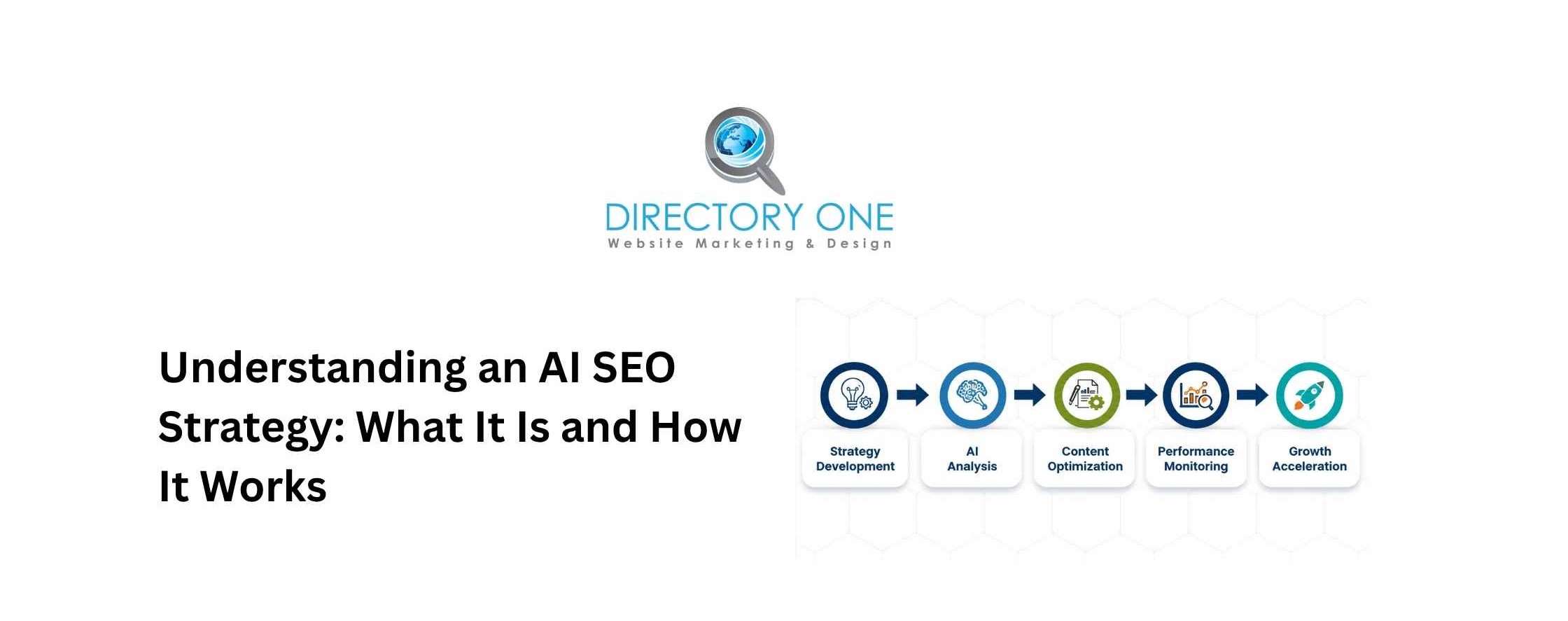
An AI SEO strategy is a search optimization plan that uses artificial intelligence — both as a set of tools and as a target platform — to improve how your business gets found online.
It works on two levels.
First, it uses AI tools (like Semrush, Ahrefs, and Surfer SEO) to do more optimization work in less time. Think keyword clustering, content scoring, technical audits, and competitor gap analysis — all automated.
Second, it optimizes your content to be cited and recommended by AI platforms like ChatGPT and Google’s AI Overviews. This newer discipline is called Generative Engine Optimization, or GEO.
Both levels matter. Together, they form a complete strategy that covers every place your customers are searching — now and in the near future.
How Can an AI Search Monitoring Platform Improve SEO Strategy?
This is the question every serious business owner should be asking right now.
Here’s the direct answer: you can’t optimize what you don’t measure. And most businesses have no visibility into where they stand in AI-generated results.
Only 22% of marketers have set up LLM brand visibility or traffic monitoring, according to research. That means the other 78% are flying blind — completely unaware of whether their brand is being cited by ChatGPT, surfaced in AI Overviews, or ignored entirely.
An AI search monitoring platform improves your AI SEO strategy by:
- Tracking brand visibility across ChatGPT, Perplexity, Gemini, and Google AI Overviews
- Surfacing citation gaps — topics where competitors are mentioned, and you’re not
- Identifying content opportunities based on what prompts actually trigger AI responses
- Alerting you to ranking shifts before traffic drops become visible in Google Analytics
- Connecting AI visibility to conversion data so you can justify investment
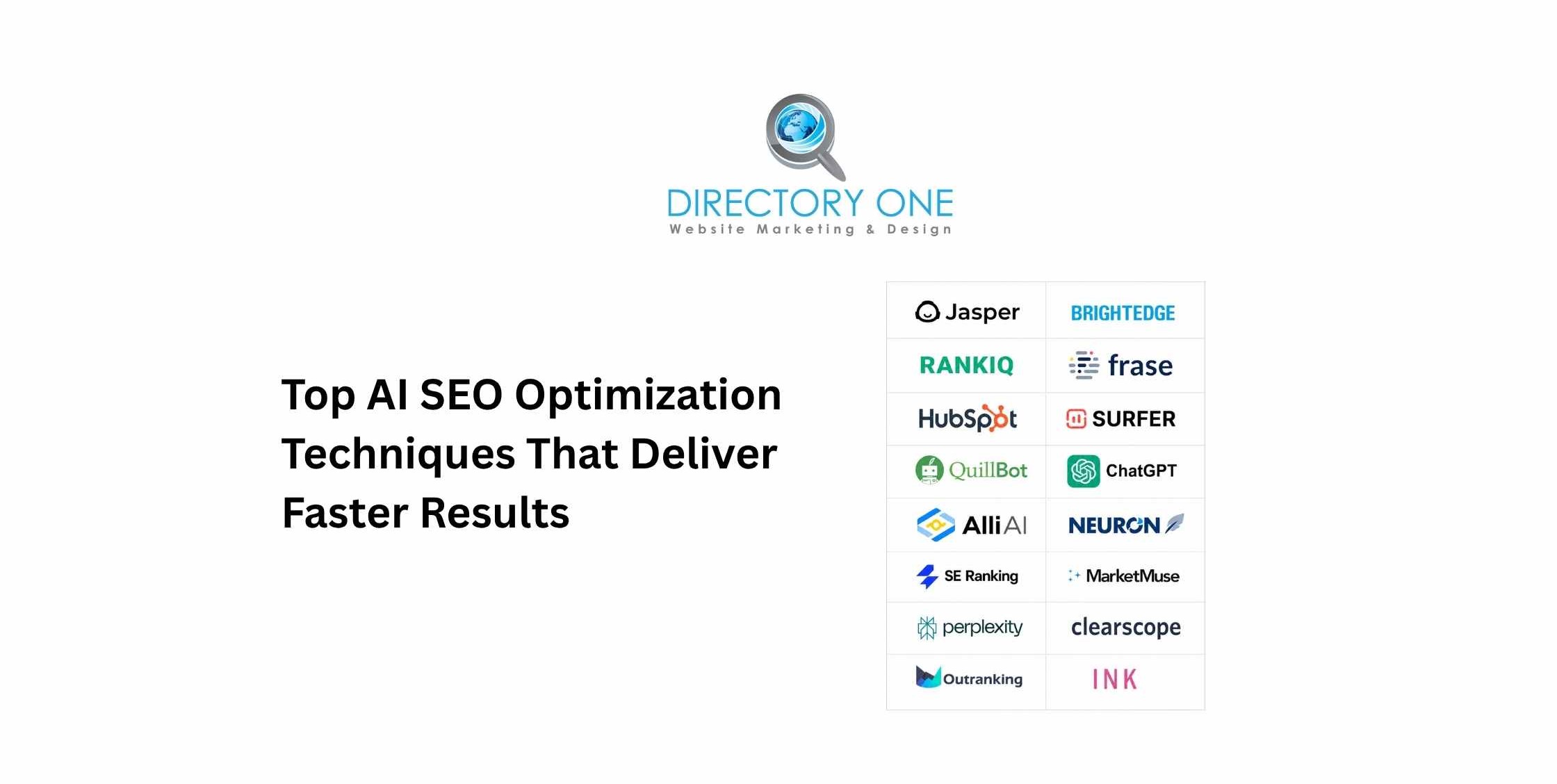
Tools like Semrush’s AI Visibility Toolkit, SE Ranking’s AI Search Toolkit, and BrightEdge now offer this type of monitoring. Starting here gives your strategy a foundation in real data — not assumptions.
Top AI SEO Optimization Techniques That Deliver Faster Results
Here are 5 AI tech SEO optimization strategies that are producing measurable results for businesses in 2026.
1. Topical Authority Clusters
Stop optimizing single pages. Build interlinking content clusters around a core topic. Google — and AI platforms — reward depth across a subject, not single-page coverage. Map a pillar page to 5–10 supporting posts, all linked together.
2. Structured Content for AI Extraction
Research shows that 44.2% of all LLM citations come from the first 30% of an article — the intro. Lead with your clearest, most quotable answer. Use short paragraphs, direct headings, and FAQ sections that AI models can extract and cite easily.
3. E-E-A-T Signals Across Every Page
Google’s own experiment data confirms this clearly: AI-generated content alone doesn’t rank long-term. Pages without experience, expertise, authority, and trust signals drop sharply within three months. Add author bios, cite sources, include first-party data, and demonstrate real expertise.
4. Schema Markup and Structured Data
Schema helps both Google and AI platforms understand your content faster. FAQ schema, HowTo schema, and LocalBusiness schema give AI models structured answers they can trust and cite. If your pages don’t have schema, this is one of the fastest technical wins available.
5. AI Citation Monitoring + Continuous Improvement
Set up tracking for your brand across AI platforms. Monitor which pages get cited. Improve the ones that don’t by adding more specificity, clearer structure, and stronger authority signals. This is GEO in practice — and it compounds over time.
6. Predictive Keyword Research
AI tools forecast which search terms will become popular in the coming months based on current social and economic trends.
7. Bulk Metadata Optimization
You can now optimize thousands of meta titles and descriptions in minutes while maintaining a unique, human-like tone.
8. User Intent Mapping
AI categorizes keywords by intent (informational, transactional, or navigational) with nearly 99% accuracy.
Best SEO Strategies for AI Visibility Tools in 2026
The best SEO strategies for AI visibility tools combine traditional optimization with AI-era tactics. Here’s what the data supports.
- Win Page One First.
Research confirms that a page in position one has a 53% chance of appearing in Google AI Overviews. That drops to around 36% by position ten. Traditional rankings still directly feed AI visibility. Focus on both.
- Publish Original Data and Insights.
Commodity content is everywhere. AI models cite sources that say something genuinely new. First-party research, case studies, and original analysis earn more AI citations than generic summaries. This is one of the clearest competitive edges available right now.
- Optimize for Commercial Intent.
Commercial intent prompts trigger web searches in ChatGPT 53.5% of the time, versus only 18.7% for informational queries. If you want AI-driven traffic that converts, optimize for the decision-stage questions your buyers are asking.
- Build Domain Authority Consistently.
Sites with over 32,000 referring domains are 3.5x more likely to be cited by ChatGPT than sites with fewer than 200. Link building is not dead — it’s more important than ever.
Hybrid SEO and AI Strategy: Combining Automation with Human Expertise
The most effective approach in 2026 is a hybrid SEO and AI strategy — one that lets AI handle what it does best, while human judgment handles the rest.
AI is excellent at scale tasks: crawling thousands of pages for technical issues, clustering hundreds of keywords, scoring content against competitors, and monitoring SERP changes automatically.
Humans are essential for strategy, brand judgment, creative direction, and quality control. A 16-month experiment tracked by Search Engine Land confirmed that fully AI-generated content — without human editorial input — loses most of its rankings within three months. Early indexing and visibility don’t last without genuine expertise behind the content.
The winning formula: AI for speed and data, humans for strategy and substance.
Here’s how that looks in practice:
- Use Semrush or Ahrefs to find keyword opportunities automatically ? human team reviews and prioritizes
- Use Surfer SEO or Clearscope to score content ? human writer creates and edits
- Use AI monitoring tools to track citations ? human strategist decides how to respond
This approach scales output and quality simultaneously. Neither AI nor human effort alone delivers the same results.
AI SEO Tools Every Business Should Use
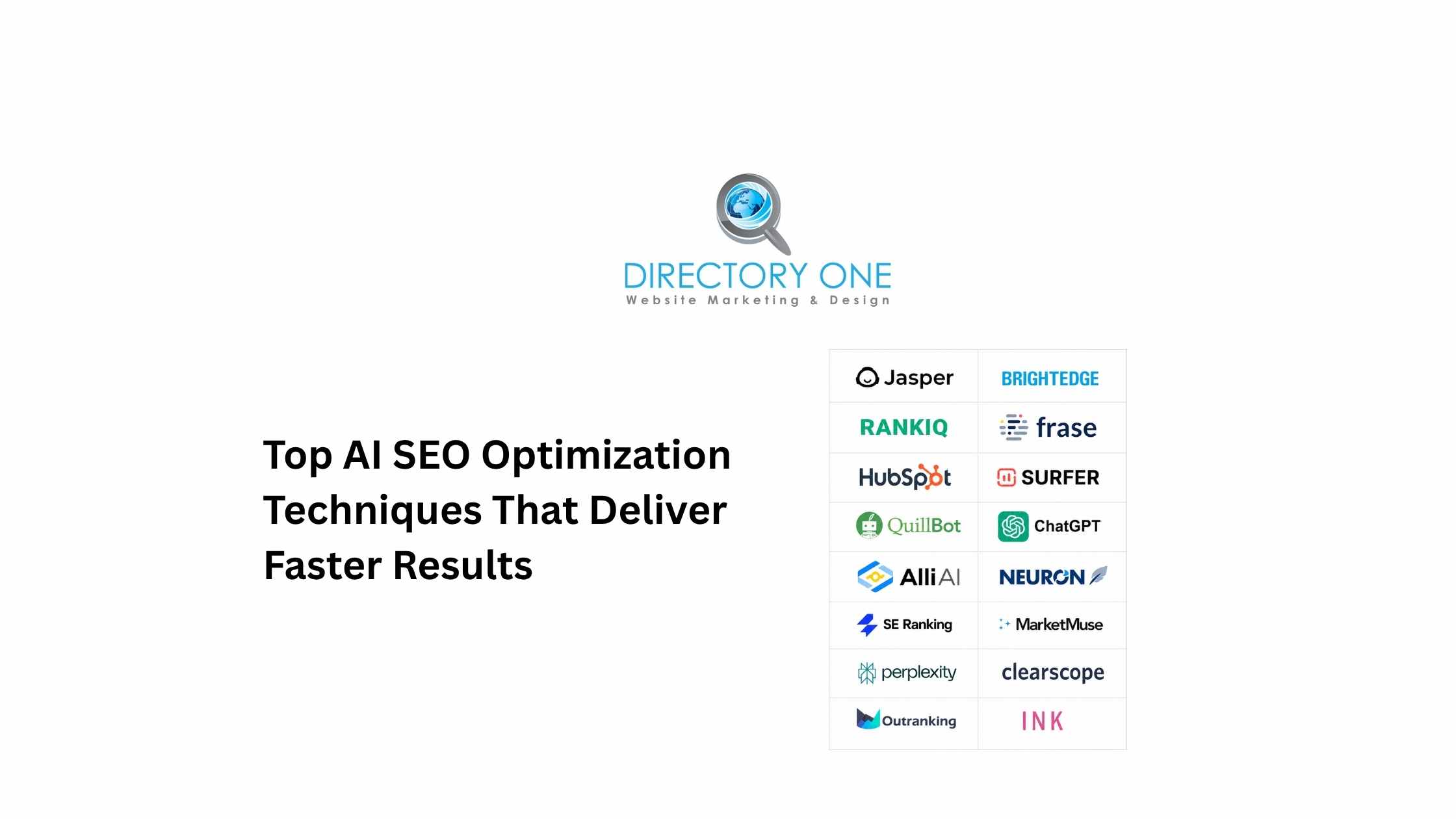
These are the AI SEO tools and strategies that make the biggest practical difference.
Semrush
Best all-in-one platform for keyword research, competitive analysis, site auditing, and AI visibility reporting. The AI Visibility Toolkit tracks your presence across AI Overviews and LLM platforms directly. Starts at ~$139.95/month.
Ahrefs
The strongest tool for backlink intelligence, keyword research, and competitive gap analysis. Also, it now includes AI-assisted workflows. Starts at $129/month.
Surfer SEO
The go-to content optimization tool. Scores your content in real time against top-ranking competitors. Most teams pair it with Semrush or Ahrefs. Starts at $89/month.
Clearscope
Best for large editorial teams that need content consistency. Gives writers a simple letter grade based on topical depth and NLP analysis. Starts at ~$170/month.
Frase
Best for GEO and AI search visibility. Optimizes content specifically for Google AI Overviews, Perplexity, and ChatGPT citations. Starts at $15/month.
Google Search Console
Still essential. Free, and now includes data on AI Mode traffic.
MarketMuse
Best for enterprise-level content strategy. It uses AI to evaluate content gaps and suggests topics based on your site’s specific authority, helping you build topical dominance.
Screaming Frog
The gold standard for deep technical audits. In 2026, it remains a “go-to” for uncovering complex crawl errors and redirect issues on large-scale websites.
Comparison of Specialty AI Tools
| Tool | Primary Strength | Best For |
| Jasper | Content Production | Rapidly creating SEO-friendly drafts and FAQ sections. |
| Frase | Search Intent Mapping | Extracting common questions from the SERP to create optimized outlines. |
| Otterly.AI | Brand Mention Detection | Monitoring brand presence and citations within AI-generated snippets. |
| Lumar | Scalable Technical SEO | Identifying performance and indexing issues for enterprise-level sites. |
By integrating these AI SEO tools and strategies into your workflow, you can ensure your brand remains a primary source for both traditional search engines and emerging AI answer engines.
AI-Driven Strategies vs Traditional SEO Tactics: What Works Better?
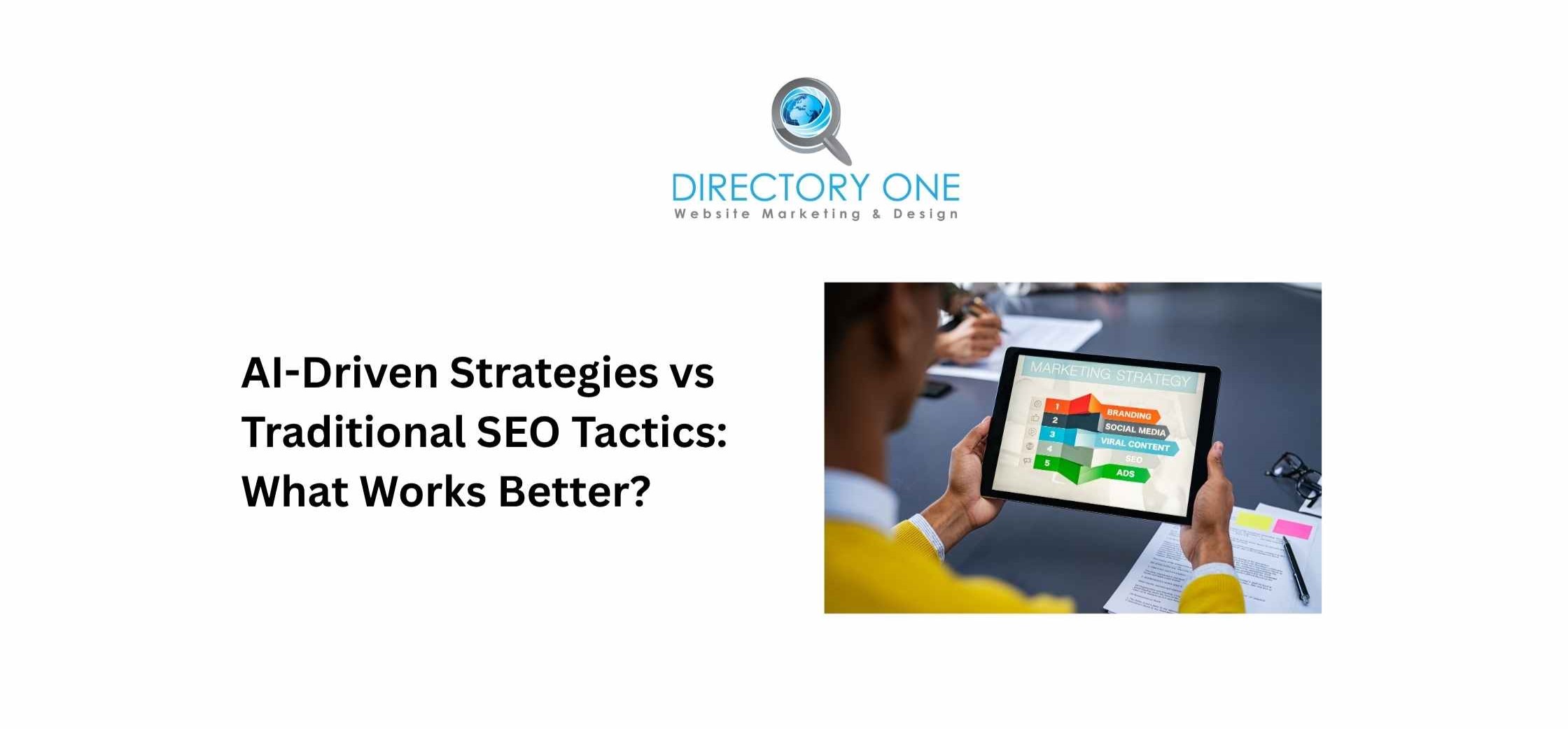
This is the debate that dominates every SEO conference right now. The honest answer: both work — when applied correctly.
- Traditional SEO still drives the most traffic and conversions.
Organic Google search remains the primary source of traffic for most websites. AI platform referrals currently account for about 2–3% of what Google alone delivers. The businesses winning today are not abandoning traditional SEO — they’re strengthening it.
- AI-driven strategies are accelerating fast.
LLM-sourced sessions surged 527% between January and May 2025 compared to the same period in 2024. And the quality of that traffic is high — AI-referred visitors convert at significantly better rates than average organic visitors.
The key insight: AI-driven strategies and traditional SEO are not competing. They’re compounding. Brands that rank well in traditional search also appear more in AI results. Brands that earn citations in AI platforms also see lifts in branded search and direct traffic.
The businesses that treat them as separate problems — or that abandon traditional SEO to chase AI — are making a strategic mistake.
Choosing the Right AI SEO Services for Your Business
Whether you’re a startup or an established company, choosing the right partner for AI SEO services comes down to a few non-negotiables.
- They should practice what they preach.
Any AI SEO agency services provider should have a strong search presence of their own. Look at their rankings, their content quality, and their own AI visibility before trusting them with yours.
- They should measure the right things.
Traffic is vanity. Leads and conversions are what matter. The best AI SEO services in Houston with proven ROI connect every tactic to business outcomes — not just keyword rankings.
- They should offer both traditional and AI optimization.
If an agency only does one or the other, they’re leaving results on the table. You need a partner that handles the full picture.
For Houston businesses specifically, working with an AI SEO agency that understands the local competitive landscape — industries like energy, healthcare, legal, and professional services — makes a real difference. Local context shapes keyword intent, content strategy, and conversion optimization in ways that a generic national agency won’t catch.
At Directory One, we’ve served as a trusted B2B digital marketing agency in Houston for over 20 years. We bring enterprise-grade AI SEO tools and proven strategy to businesses of every size — from AI SEO services in Houston for startups all the way to large-scale B2B organizations.
If you’re searching for a digital marketing agency near me in Houston that combines AI-powered tools with real human expertise, we’re ready to talk.
Summing Up
The businesses winning in search right now share one thing in common: they haven’t chosen between traditional SEO and AI optimization. They’re doing both — and doing them well. An effective AI SEO strategy in 2026 means ranking on Google, getting cited by ChatGPT, earning authority through quality content, and using the best tools to scale that work efficiently.
Ready to build a proven ai SEO strategy for your Houston business?
Directory One has been driving search results for Houston businesses for over 20 years. We combine the best AI SEO tools and strategies with deep local expertise and a track record of measurable, proven ROI.
Call us today at 713.269.3094 and let’s build an AI-ready search strategy with proven results.
About The Author
