





E-commerce SEO Strategies 2026: Why Most Stores Don’t Rank (And How to Fix It)
If your online store isn’t showing up on the first page of Google, you’re not just missing clicks — you’re handing revenue directly to your competitors. Implementing the right e-commerce SEO strategies is no longer optional; it’s the single most scalable way to drive consistent, compounding traffic without paying for every visit. According to Semrush, over 90% of web pages receive zero organic traffic. This guide will make sure your store isn’t one of them.
Let’s break down what’s going wrong—and how to fix it.
What Is E-commerce SEO?
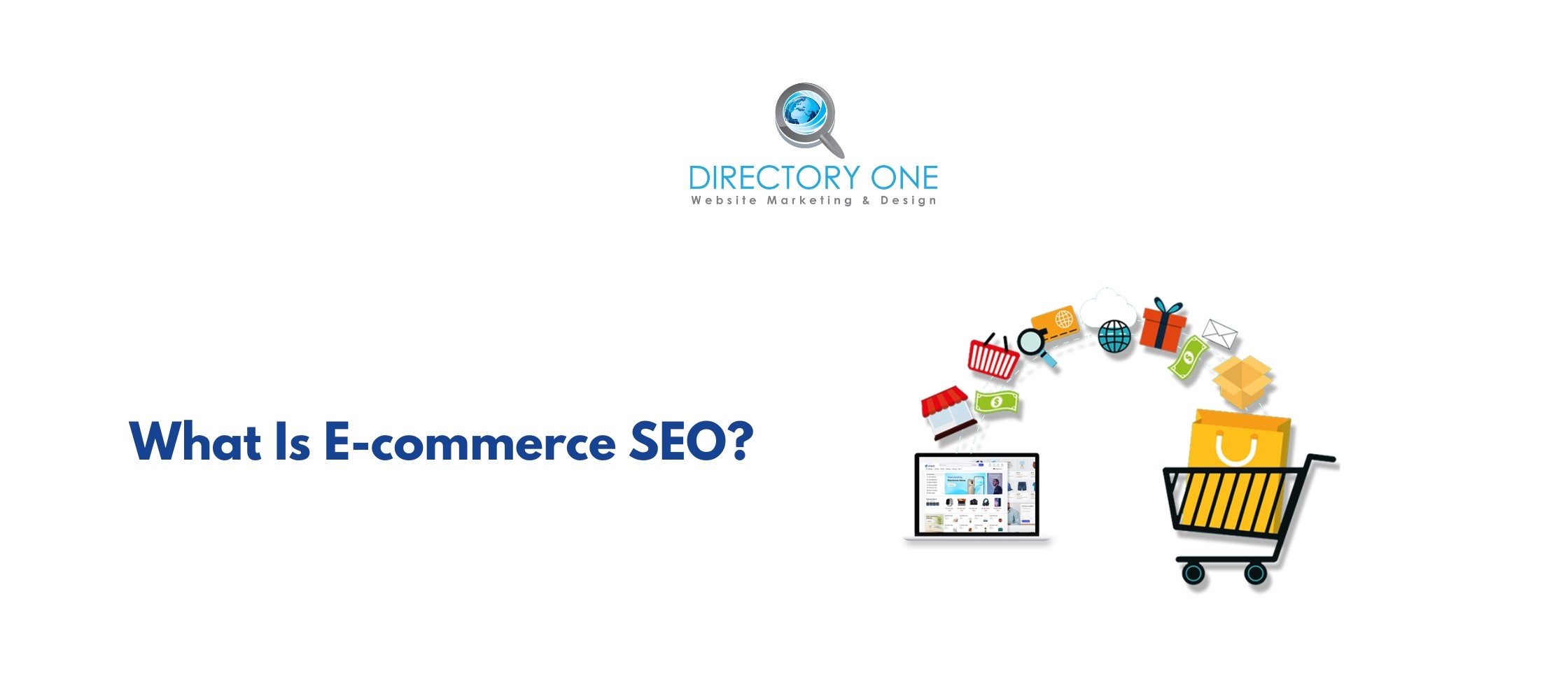
E-commerce SEO is the process of optimizing an online store’s website, product pages, category pages, and content for search engines to attract organic search traffic that leads to sales. In contrast to paid ads, SEO builds long-term visibility that compounds over time.
According to industry data, 93% of all online experiences begin with a search engine, and organic search remains the largest source of ecommerce traffic. For most merchants, even small improvements in SEO can multiply traffic and revenue over time.
The Architecture of Modern E-commerce SEO
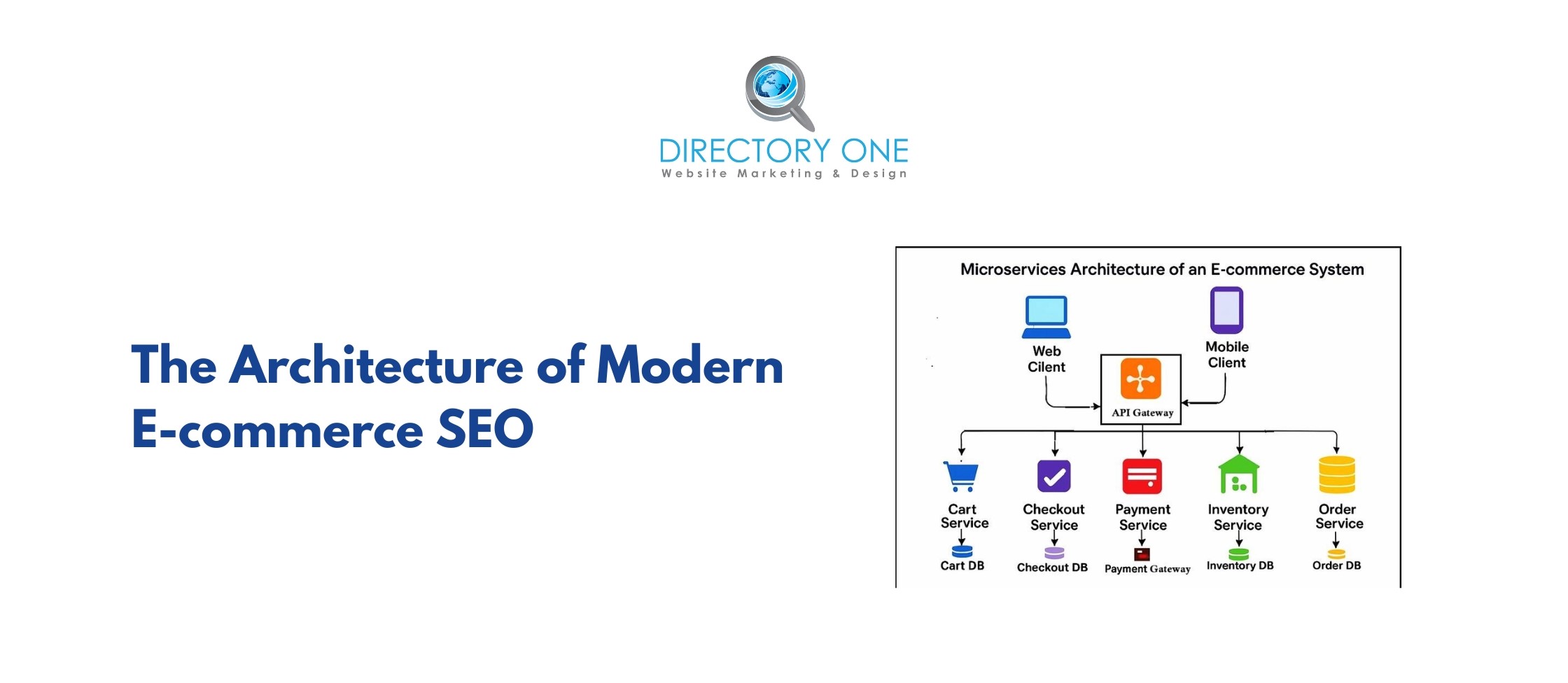
Winning in search begins with a foundation that search engines can crawl, understand, and trust. While many stores focus on aesthetics, the winners prioritize a “headless” or highly optimized technical structure.
According to Google Search Central, site structure is the most critical element for helping search engines discover your most important products.
Key Technical Best Practices:
- Flat Site Hierarchy: Ensure no product is more than three clicks away from the homepage.
- Semantic Internal Linking: Use descriptive anchor text to distribute “link juice” to high-margin categories.
- Frictionless Page Speed: With 90% of shoppers leaving a site if it loads slowly, Core Web Vitals are now a non-negotiable ranking factor.
Why Most Ecommerce Websites Fail to Rank on Google
The hard truth is this: most ecommerce stores don’t fail because of bad products. They fail because of poor SEO strategies for ecommerce websites — or no strategy at all. The issues tend to be the same across the board:
- Duplicate product descriptions: Using manufacturer-supplied copy across multiple pages signals low-value content to Google. Semrush identifies duplicate content as one of the top crawl issues affecting ecommerce sites globally.
- Underdeveloped category pages: A page that’s nothing but a product grid gives search engines almost nothing to work with. Without text, context, or intent signals, it simply won’t rank.
- Unresolved technical debt: Slow load times, broken links, crawl errors, and missing canonical tags compound over time — quietly suppressing rankings across your entire domain.
- Keyword-to-intent mismatch: Targeting broad terms like “running shoes” when your buyer is searching “best trail running shoes for beginners” means Google won’t surface your page — because it doesn’t match what the searcher actually needs.
- No backlink foundation: Without credible sites linking to your store, Google has no external signal that your content is worth ranking highly.
Google’s own Search Central documentation makes it clear: crawlability and page experience aren’t bonus optimizations — they’re baseline requirements. Miss them, and on-page content improvements will only take you so far.
Ecommerce SEO Basics You Must Get Right in 2026
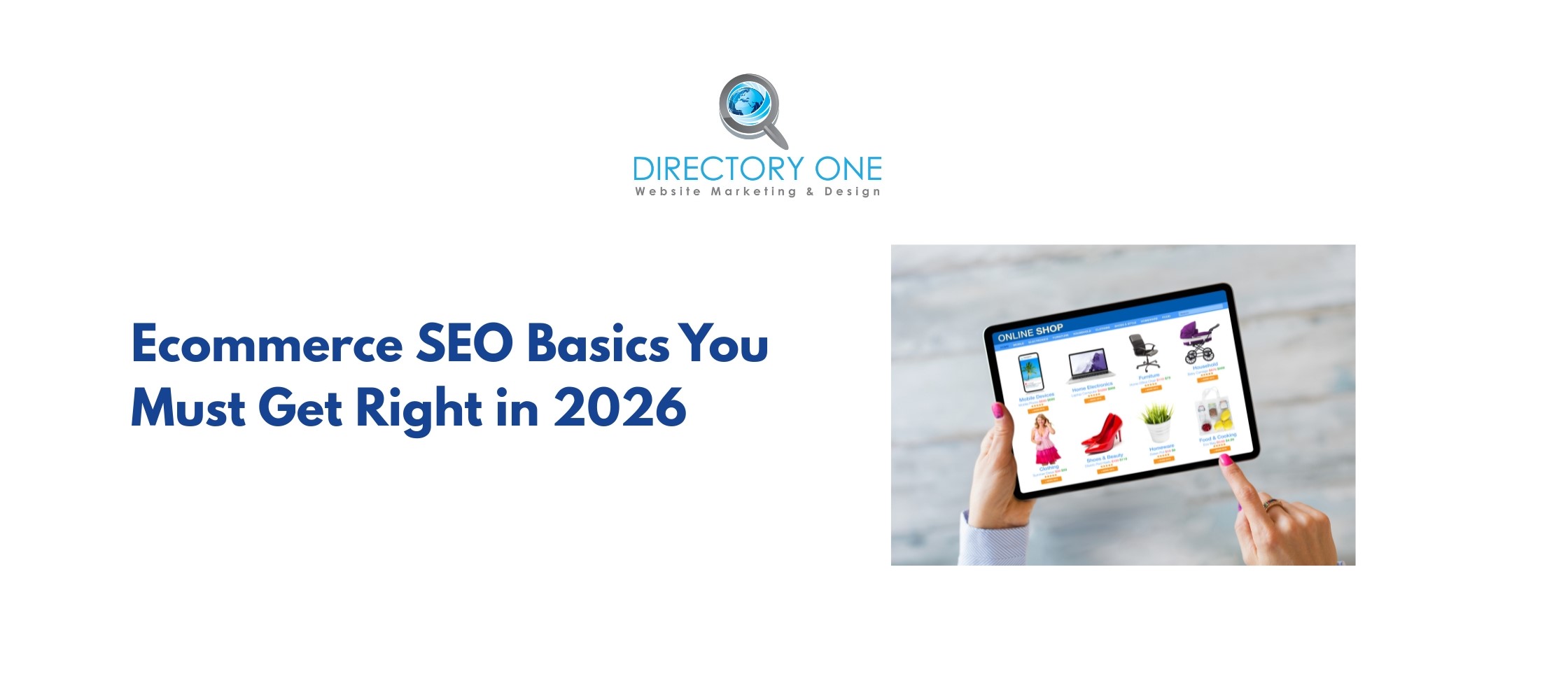
Before deploying advanced e-commerce SEO strategies, the fundamentals must be airtight. These aren’t beginner topics — they’re the infrastructure that determines whether your advanced work pays off at all.
1. Align Keywords With Search Intent
Understanding keyword search intent for ecommerce is what separates stores that rank from stores that guess. Every keyword falls into one of three categories:
- Informational: “How to choose a standing desk” ? Belongs in blog content and buying guides
- Navigational: “Herman Miller official store” ? Belongs on brand and homepage content
- Transactional: “buy ergonomic standing desk under $500” ? Belongs on product and category pages
Most stores target only transactional queries. That’s a mistake. Informational content builds topical authority, earns backlinks naturally, and pulls buyers in at the research stage — long before they’re ready to purchase. Capturing them early is how you win the sale.
2. Build a Logical Site Architecture
Your URL structure should be clean, hierarchical, and shallow:
yourstore.com ? /category ? /subcategory ? /product
Pages buried more than three clicks from the homepage are crawled less frequently by Google — which means they may not get indexed on a predictable schedule. For large catalogs, this is a silent traffic leak that compounds daily.
3. Meet Google’s Technical Baseline
Core Web Vitals are confirmed Google ranking signals. Your targets in 2026:
- Largest Contentful Paint (LCP): Under 2.5 seconds
- Cumulative Layout Shift (CLS): Below 0.1
- Interaction to Next Paint (INP): Under 200ms
Statista reports that mobile devices account for the majority of global ecommerce traffic. A site that performs poorly on mobile isn’t just penalized in rankings — it’s losing conversions in real time.
Advanced E-commerce SEO Strategies for Product Pages
Product pages are the “money pages” of your store. In 2026, search engines prioritize pages that provide “Information Gain”—content that isn’t just a copy-paste of the manufacturer’s description. Here are the core e-commerce SEO best practices that successful online stores implement in 2026:
Optimize Product Pages for Findability and Conversions
Product pages are the heart of any ecommerce store, but they must be optimized holistically.
Key elements:
- Unique, descriptive titles and metadata
- Clear, keyword-rich product descriptions
- High-quality images with optimized alt text
- Structured data (Product, Offer, Reviews schema)
Well-optimized product pages increase relevance, visibility, and featured snippet potential.
Build Topic Authority With High-Value Content
Although product pages drive conversions, supporting content helps attract users earlier in the buyer journey and builds topical authority.
Include:
- Buying guides
- “How to choose…” articles
- Comparison posts (e.g., Product A vs Product B)
- FAQs that match search intent
Content hubs like these have helped ecommerce brands rank for informational traffic that later converts. High-quality content also signals expertise and authority to Google.
Strengthen Technical SEO Foundations
Technical factors like site speed, crawlability, and structured data are foundational.
Common technical priorities include:
- Fixing crawl errors
- Streamlining site architecture
- Image compression
- Canonicalization of duplicate product variants
For example, nearly 90% of e-commerce sites with poor UX have performance issues that negatively affect rankings. A thorough ecommerce SEO audit identifies and prioritizes these technical issues.
Enhance Site Architecture and Internal Linking
A logical hierarchy with clear paths from the homepage ? category ? product pages helps both users and search engines. This not only improves crawl efficiency but also enhances user engagement.
Use internal linking to:
- Highlight best-selling categories
- Cross-promote relevant products
- Support content that returns visitors to product pages
Site architecture is a frequent focus for specialized e-commerce SEO services.
Leverage Backlinks and Authority Signals
High-quality backlinks remain a core ranking factor. E-commerce sites that earn backlinks from relevant sources—industry blogs, product roundups, or editorial links—tend to rank higher. Backlinks strengthen domain authority and create more pathways for users to discover products organically.
Build for Structured Data and AI Overviews
Search engines increasingly consume structured data to power AI-driven summaries and rich result types.
Implement:
- Product schema
- Review schema
- FAQ schema
These enhance search visibility and increase click-through rates from SERP features.
How to Optimize Ecommerce Product Pages for SEO

Ecommerce product page optimization is where rankings are won or lost at scale. Knowing how to optimize product pages for SEO consistently — across hundreds or thousands of SKUs — requires a repeatable process, not a one-time fix.
Here is a product page SEO framework you should consider:
- Place the primary keyword naturally in the H1 title — never force it
- Write a unique product description for every SKU; never use manufacturer copy
- Include the target keyword within the first 100 words of the description
- Add descriptive alt text to every product image — not “IMG_4821.jpg”
- Implement Product, Review, Price, and Availability schema markup
- Enable customer reviews — they generate continuous, keyword-rich, indexed content
- Add a “Related Products” section to support your internal linking ecommerce strategy
- Apply canonical tags to prevent duplicate URL issues from color/size variants
- Include breadcrumb navigation on every product page
One of the highest-leverage, lowest-effort tactics available: customer reviews. Pages with verified reviews carry more trust signals, generate long-tail keyword coverage organically, and give Google fresh content to index — without you writing a single word.
Category Page SEO: The Most Underrated Ranking Factor
Here’s what most stores get wrong: they treat ecommerce category page SEO as an afterthought. In reality, category pages are often your strongest ranking assets — they accumulate the most internal links, carry the most domain authority, and target the highest-volume commercial keywords on your site.
How to optimize category pages effectively:
- Write a unique introductory paragraph (100–150 words minimum) above the product grid. It doesn’t need to be literary — it needs to include your target keyword and describe what the shopper will find on the page.
- Craft a specific, keyword-rich H1. “Men’s Dress Shoes” is weak. “Men’s Dress Shoes: Shop Oxford, Derby & Loafer Styles” is indexed, descriptive, and click-worthy.
- Add an FAQ section at the bottom. Address the questions your category’s buyers actually ask. This targets long-tail queries and positions your page for Featured Snippet opportunities.
- Control filter and pagination URLs. Every filter combination that creates a new URL is a potential duplicate content problem. Use canonical tags or no-index directives to manage crawl budgets efficiently.
- Link to categories from your homepage and blog. Authority flows through internal links. Your category pages should receive consistent internal link equity from your highest-authority pages.
The data is unambiguous: on high-performing ecommerce stores, category pages drive a disproportionate share of organic traffic. Investing SEO effort here delivers compounding returns — far beyond what the same effort applied to individual product pages would generate.
Ecommerce SEO Checklist 2026
Whether you’re launching a new store or auditing an existing one, use this SEO checklist for new e-commerce sites as your benchmark:
| Technical SEO for Ecommerce Sites | Content & On-Page SEO |
| XML sitemap submitted to Google Search Console | Unique meta titles and descriptions on every page |
| Robots.txt file reviewed and configured correctly | Primary keyword in H1, first paragraph, and URL slug |
| No broken internal or external links | Product schema markup implemented sitewide |
| LCP under 2.5 seconds across key pages | Review and rating schema active on product pages |
| Canonical tags on all paginated and filtered URLs | Blog content targeting informational buying-stage queries |
| HTTPS enforced sitewide | FAQ sections on category and high-traffic product pages |
| Mobile-responsive design validated | Descriptive alt text on all images |
| Breadcrumb navigation implemented | Internal linking strategy mapped and consistently applied |
Common Ecommerce SEO Mistakes to Avoid
Even well-resourced teams make these ecommerce SEO mistakes. What makes them dangerous isn’t just the immediate impact — it’s that most of them quietly compound for months before anyone notices the ranking decline.
- Using the manufacturer’s product descriptions
This is textbook duplicate content. It’s also one of the most common ecommerce SEO mistakes made by stores that migrate platforms or launch quickly without a content plan.
- Weak internal linking
If your top-converting product pages aren’t receiving internal links from category pages, blog posts, and your homepage, you’re not distributing authority where it counts. Knowing how to improve internal linking in ecommerce for SEO is one of the most undervalued skills in the discipline.
- Deleting out-of-stock product pages
Every deleted page is a destroyed backlink and a lost traffic source. Keep the URL live. Show related products. Add a restock notification option.
- Treating paid search as an SEO substitute
Paid traffic stops the moment the budget runs out. SEO compounds. They serve different purposes — and only one of them builds long-term equity.
- Neglecting mobile performance
A slow mobile experience doesn’t just hurt user satisfaction — it directly suppresses rankings. Statista’s data on mobile commerce makes this a non-negotiable priority.
- Ignoring long-tail queries
“Best noise-canceling headphones for remote work under $200” converts at a dramatically higher rate than “headphones” — because the intent is explicit, the competition is lower, and the buyer is closer to a decision.
How to Fix Ecommerce SEO Issues (Step-by-Step)
Technical SEO for ecommerce sites can feel like a moving target — especially on large catalogs. The key is prioritization. Work through these in order:
- Start with Google Search Console. It’s free, authoritative, and will show you exactly which pages have crawl errors, coverage issues, or manual actions. This is your ground truth.
- Resolve indexation problems first. Pages that return 404 errors, are accidentally blocked by robots.txt, or are missing from your sitemap need to be fixed before any other optimization effort will matter.
- Eliminate duplicate content. Assign canonical tags to preferred URLs. Standardize URL structures across product variants, filters, and sort parameters.
- Improve Core Web Vitals. Convert images to WebP format, enable lazy loading, reduce render-blocking JavaScript, and leverage browser caching. Use Google’s PageSpeed Insights for a page-specific action list.
- Implement a structured internal linking plan. Identify your ten highest-converting pages. Ensure each one has internal links from relevant blog content, the homepage, and its parent category. This is how authority flows — and how pages climb.
- Deploy structured data. Add Product, Breadcrumb, and FAQ schema using Google’s Structured Data Markup Helper. Rich results — star ratings, prices, availability — increase click-through rates directly from the search results page.
- Expand or consolidate thin content. Pages with minimal meaningful content are a liability. Either develop them with substantive, intent-matched copy or consolidate them into stronger pages via 301 redirect.
Tools to Improve Ecommerce SEO Performance
These are the tools worth using — each one grounded in real data:
| Tool | Best For | Cost |
| Google Search Console | Crawl errors, indexation, search performance | Free |
| Google PageSpeed Insights | Core Web Vitals diagnostics | Free |
| Semrush | Keyword research, site audits, competitor analysis | Paid |
| Ubersuggest | Keyword discovery, on-page suggestions | Free / Paid |
Final Thoughts
The stores winning organic search in 2026 aren’t outspending their competitors — they’re outstrategizing them. They’ve built comprehensive ecommerce SEO strategies from the ground up: technically sound foundations, content that precisely matches buyer intent, and internal linking structures that distribute authority with purpose.
Whether you’re applying the best SEO strategies for a newly launched e-commerce store or untangling years of compounding technical debt, the path forward is the same — fix what’s broken, build what’s missing, and optimize consistently over time.
Ready to turn your store into a ranking machine? Directory One can help.
We’ve spent over two decades helping businesses build search visibility that actually converts. Our team specializes in seo ecommerce strategy consulting — from technical audits to full-scale optimization — and we treat every client engagement as a long-term growth partnership, not a one-time project.
If you are serious about your e-commerce site ranking, we’re serious about results. Call us directly at (713) 401-1000 or visit directoryonehouston.com to learn more about our search engine optimization service.
About The Author
