





Local SEO: A Beginner-Friendly Roadmap for Small Business Owners
You open a shop in a busy part of town. You have great products and a clean storefront. But for some reason, the foot traffic just isn’t there. You look at your phone and search for your services, but your competitors show up instead of you. This is a common frustration for many local entrepreneurs.
Most people do not look past the first few results on Google. If you want to grow, you have to appear where people are looking. This is where local SEO becomes your most valuable tool. It is not about reaching the whole world. It is about reaching the person two miles away who needs exactly what you sell.
When optimized well, local SEO brings visits, calls, and real customers through your door. This article explains local SEO in simple terms.
What Is Local SEO?
Local SEO refers to optimizing your online presence to ensure your business ranks well in local search results with relevant intent. These include phrases like “best pizza near me,” “Houston plumber,” or “dentist in Katy.” Local SEO focuses on showing your business to people who are physically close and ready to buy.
Approximately 46 percent of all Google searches have local intent, indicating that users are seeking products or services available in their immediate vicinity.
Why Local Visibility Is Essential?
The numbers tell a clear story. According to BrightLocal, 98% of consumers used the internet to find information about local businesses in recent years. If you are not visible in local search results, you are essentially invisible to nearly your entire market.
In fact, some data shows 88 percent of local searches on mobile result in a call or store visit within 24 hours, and 78 percent of location-based searches lead to an offline purchase. As per HubSpot reports, 72 percent of consumers visit a business within five miles after a local search.
For a business owner, this means that your online presence is your modern-day digital sign. At Directory One, we help businesses build that sign so it shines brighter than the rest. Whether you provide custom packaging or you run a local repair shop, being found online is the first step to making a sale.
Local SEO Roadmap: Simple Steps That Actually Work
Step 1: Start With a Local SEO Audit
A local SEO audit helps you find what is missing or incorrect online. It checks:
- Your business listings
- Your website content
- Reviews and reputation
- Your keyword positioning
Think of it as a health check for your online presence. With an audit, you know what to fix first.
Step 2: Claim and Complete Your Business Listings
Your Google Business Profile is one of the most important parts of local SEO. A complete profile makes you more visible and trustworthy.
Make sure you:
- Claim your listing
- Add accurate address, phone number, and hours
- Include services and photos
Businesses that are complete and accurate are much more likely to show up in local results.
Step 3: Use a Local SEO Checklist for Consistency
A local SEO checklist helps you stay organized. It should include:
- Updating business hours and contact info
- Adding local keywords to your website
- Creating location pages if you serve multiple areas
- Checking citations on other sites
- These steps build a consistent presence online that search engines can trust.
Step 4: Optimize Your Website for Local Keywords
Target phrases that your customers use. For example:
- “Local SEO Houston”
- “Best local SEO agency near me”
- “Top local SEO company”
Use these keywords naturally in page titles, headings, and content.
Writing unique local content like guides or answers to common local questions helps too. It shows search engines that your business is relevant to local searchers.
Step 5: Encourage and Manage Reviews
Reviews matter for both ranking and trust. Many consumers check reviews before they decide to buy. Positive responses show customers you care.
Make review management a habit. Ask customers to review you and reply to them politely and quickly.
Step 6: Build Local Citations and Mentions
Citations are listings of your business name, address, and phone number (NAP) on other websites. These include directories like Yelp, Yellow Pages, and local industry sites.
Consistent citations help Google trust your business and improve your local rankings.
Step 7: Create Location-Specific Pages
If you serve multiple towns or neighborhoods, add individual landing pages for each area. For example:
- “Local SEO Houston”
- “Local SEO Strategy in Houston Heights”
- “Small Business SEO in Katy”
These pages help you rank for the specific areas you serve and meet users where they search.
Step 8: Track Local SEO Performance
Tracking is essential. Use tools to measure:
- Search visibility
- Website visits
- Calls and directions
- Map views
A local SEO report helps you know what is working and where you need improvement.
Tools That Help Small Businesses
You don’t need expensive software to do local SEO successfully.
Google’s Free Tools
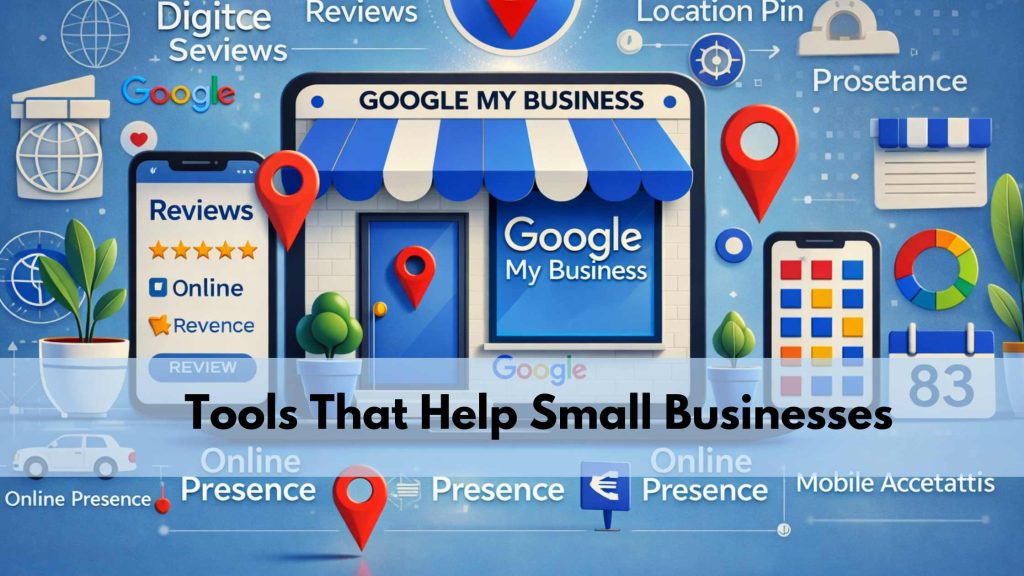
Google’s free tools handle most needs. Google Search Console shows you which search terms bring people to your website. Google Analytics shows what they do after they arrive. Google Business Profile itself is free.
These three tools give you everything you need to track performance and understand your audience. Most small businesses get real results using only these.
BrightLocal for Audits
BrightLocal offers a local SEO audit tool that shows where you rank and how you compare to competitors. Their reports are clear and actionable for small business owners. When you’re ready to understand exactly where you stand, this tool delivers.
Semrush for Research
Semrush has local SEO features that help with keyword research and competitive analysis. It’s not free, but one month costs less than hiring someone to do this work manually. If you want deeper insights into what keywords to target, Semrush provides them.
Starting Smart
Don’t overthink tool selection. Start with free tools. As your business grows and you understand your needs better, invest in paid tools if they make sense. Many successful small businesses never move beyond free tools.
When to Hire Local SEO Professionals?
Some small business owners tackle local SEO themselves. Others bring in experts.
DIY vs. Professional Help
Both approaches work. The difference is time and expertise. Learning local SEO takes time. Implementing it correctly takes knowledge. Outsourcing saves both.
Finding the Right Partner
The top local SEO company for your business isn’t necessarily the biggest. It’s one that understands your industry and your local market. Directory One specializes in helping small businesses build local search visibility. We understand service-based business challenges. We know Houston’s competitive landscape.
What a Real Agency Does
The best local SEO agency does more than run ads and build citations. They develop a real strategy tailored to your business. They set realistic expectations. They track results and show you the impact.
White Label Services
White label local SEO services work well for digital agencies looking to expand their offerings. If you’re a small business owner, you probably want a direct relationship with your SEO partner. You want to understand the strategy. You want to see the work happening.
Common Local SEO Mistakes You Should Avoid
Learning from other people’s errors saves you time and money.
Inconsistent Business Information
Your address on Google doesn’t match your address on Yelp. Your phone number has different formats everywhere. Google gets confused, and your rankings suffer. This is the easiest mistake to make and the easiest to fix.
Ignoring Reviews
Reviews matter for rankings and customer decisions. Businesses that never ask for reviews and never respond to feedback rank poorly and lose customers. Active review management directly impacts your visibility.
Creating Generic Content
Writing blog posts with no local relevance doesn’t help local search rankings. Every piece of content should connect to your geographic area somehow. Your content should speak to your community, not the world.
Missing Directory Listings
Not claiming local directory listings leaves money on the table. If you’re not in local directories, you’re invisible to part of your potential customer base. Coverage matters for visibility.
Expecting Quick Results
Local SEO compounds over time. The businesses that rank at the top have been building local presence for months or years. Patience paired with consistency wins this game.
Final Statements
Local SEO is one of the most cost-effective ways for small businesses to grow. With a roadmap and consistent effort, you can improve your visibility and attract more nearby customers.
If you need expert guidance, Directory One is here to help you build and maintain a strong local SEO strategy in Houston and beyond.
Call 713.269.3094 to speak with a local SEO expert and get started today.
About The Author
