





Bing SEO in 2026: Why Your Content Needs to Be “Citation-Ready”
For years, SEO meant one thing: rank higher on Google. Bing was an afterthought—a default search engine on old computers, nothing worth optimizing for seriously. That assumption is now costing businesses visibility, credibility, and conversions. But in 2026, the tides have turned. While Google remains a powerhouse, Bing SEO has evolved from a secondary thought into a primary revenue driver.
As per reports, 33 million people actively use Copilot as of 2025, with over 89 million users visiting Copilot in April. More critically, Bing Copilot holds 14% of the global AI-chatbot market share in 2025. The catalyst? The total integration of Microsoft Copilot and the rise of the “Citation Economy.”
Today, search is no longer just about clicking links; it’s about being the trusted source that an AI assistant quotes. If your content isn’t “citation-ready,” it effectively doesn’t exist for the 1.2 billion daily searches happening across the Microsoft ecosystem. In this guide, we’ll explore the 2026 Bing search engine optimization tips you need to dominate this high-value landscape.
What is “Citation-Ready” Content?
In the context of Bing search engine optimization, “citation-ready” means your content is structured so perfectly that Microsoft Copilot can extract it, summarize it, and—most importantly—link back to it as a primary source.
Traditional Bing SEO focused on ranking your page in search results. You’d optimize for exact-match keywords, build backlinks, fix technical issues, and hope to rank higher than competitors. The goal was simple: get on page 1.
Unlike traditional ranking, which focuses on “the ten blue links,” citation-ready content is built for AI extraction. And being cited in an AI overview is a winner-takes-all game.
According to recent 2026 search trends, AI systems favor content that demonstrates proprietary data, original research, and clear, expert analysis. It reads “blocks” of content: self-contained units that answer a specific question or address a singular topic. Each block acts as a standalone signal that AI can parse, rank, and deliver directly in response to user queries.
Bing SEO vs Google SEO: The Key Differences at a Glance
Understanding the nuances of Bing SEO vs Google SEO is critical. While Google has moved toward deep semantic intent, Bing’s algorithm in 2026 remains more literal and transparent, rewarding technical precision and directness.
| Feature | Bing SEO Focus | Google SEO Focus |
| Keywords | Exact-match (Title, H1, Meta) | Semantic intent & synonyms |
| Social Signals | Direct ranking factor | Indirect influence only |
| Multimedia | High priority (Image/Video SEO) | Contextual relevance |
| Domain Age | Heavily weights established sites | Values recency and “helpfulness” |
| Indexing | Control via Bing Webmaster Tools | Automated “black box” crawling |
4 Critical Bing SEO Tips for the Citation Economy
To stay competitive, you must adapt your Bing SEO marketing strategy to match how AI “reasons” through data. Here is the framework used by the senior strategists at Directory One.
1. Leverage Exact-Match Keywords in the “Power Zone”
Bing is famously literal. To rank, ensure your primary keyword appears exactly in the Title Tag, H1, and the first 100 words. While Google might understand “affordable footwear,” if your Bing audience is searching for “best cheap running shoes,” that exact phrase should lead your H1.
2. Optimize for “Copilot Mentions”
Microsoft Copilot draws from the Bing index. To become a cited source:
- Use Schema Markup (FAQ and HowTo) to define your data.
- Provide a “Key Takeaways” summary at the top of long-form posts.
- Use bulleted lists for technical specifications.
3. Claim the “Desktop Advantage”
While Google dominates mobile, Bing captures an impressive 12.21% of the global desktop market, with US desktop shares often exceeding 17%. These users are typically working professionals with higher household incomes. Directory One recommends focusing your Bing search engine optimization on B2B and high-ticket consumer services to capitalize on this affluent demographic.
4. Direct Social Integration
Bing actively crawls social signals. If your content receives high engagement on LinkedIn or X (Twitter), Bing interprets this as a sign of authority. In 2026, a strong social distribution plan is essentially a Bing SEO service in itself.
Technical Bing Search Engine Optimization Best Practices
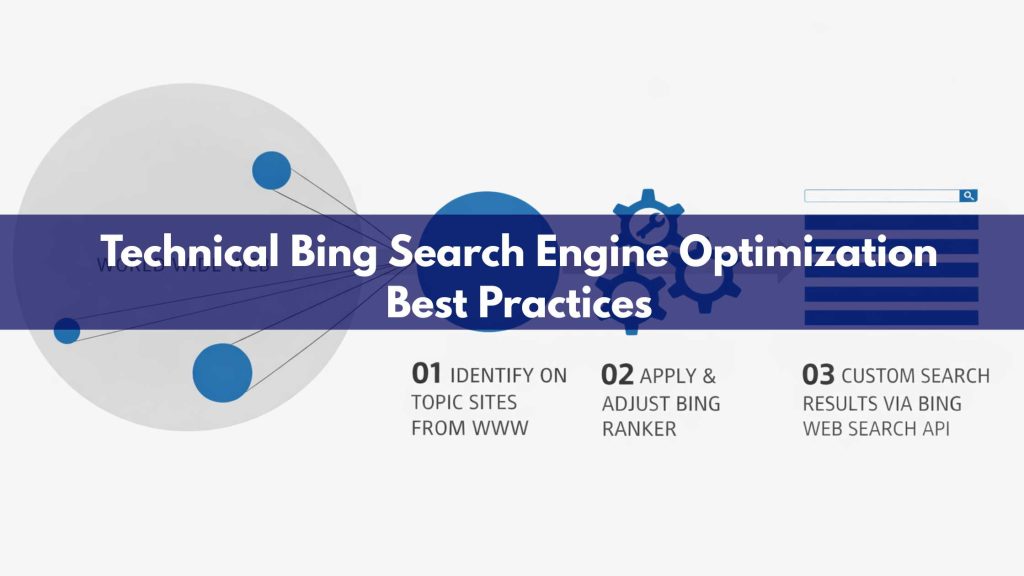
Technical health is non-negotiable for Bing SEO. Unlike Google’s sophisticated crawling, Bingbot can be selective.
- IndexNow: Implement the IndexNow protocol to ensure your content is indexed the second it’s published.
- Avoid JavaScript Overload: Bing still struggles with heavy client-side rendering. Ensure your “citation-worthy” facts are available in the HTML source code.
- Backlink Quantity & Quality: While Google obsesses over the “authority” of a single link, Bing appreciates a high volume of relevant links, particularly from .edu, .org, and .gov domains.
Lead the Conversation with Directory One
The search landscape has fundamentally shifted. In a world of AI-generated summaries, being “just another link” isn’t enough. Your brand needs to be the authority that the AI trusts.
At Directory One, we don’t just follow trends; we set the standard for Bing SEO excellence. Our team specializes in creating “citation-ready” content that captures high-intent desktop traffic and secures your place in the Microsoft Copilot ecosystem. From technical audits to high-precision keyword targeting, we ensure your business is heard where it matters most.
Ready to Capture the “Other” 20% of the Market? Don’t leave your Bing traffic to chance. Partner with the experts at Directory One to build a future-proof search strategy. To get expert guidance, call us at 713.269.3094.
About The Author
