





B2B Video Marketing vs Traditional Ads: What Works Better in 2026?
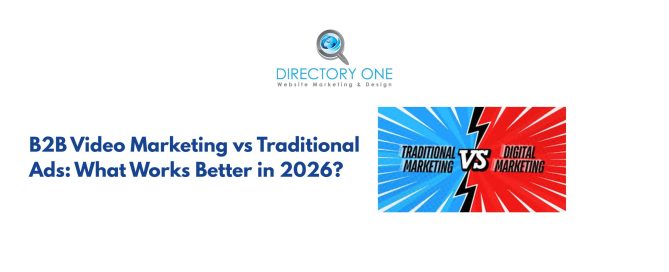
In today’s competitive landscape, the debate around B2B video marketing vs traditional advertising is more relevant than ever. Businesses are increasingly shifting toward digital strategies, but does that mean traditional methods are obsolete?
According to HubSpot’s 2024 Video Marketing Report, 96% of consumers have watched a brand video, and video content generates 1200% more shares than text and images combined.
This isn’t just a preference shift—it’s a fundamental change in how consumers process information and make purchasing decisions. Understanding the B2B video digital marketing vs traditional approach helps you choose what truly drives results.
What is Video Marketing?

Video marketing uses engaging visual content to promote products, services, or brands. From social media clips to explainer videos, it plays a key role in modern campaigns. It includes branded videos distributed across digital channels: YouTube, social media platforms (TikTok, Instagram, Facebook), websites, email, and streaming services.
Video marketing encompasses product demonstrations, customer testimonials, educational content, behind-the-scenes footage, and storytelling—all designed to engage audiences through compelling visual narratives.
One major benefit of video marketing is its ability to capture attention quickly. In fact, the benefits of video marketing for business growth include higher engagement, better conversion rates, and stronger brand recall.
Businesses today, including those offering Houston video marketing and B2B video marketing production services Houston, are leveraging video to connect with audiences more effectively.
What is Traditional Advertising?
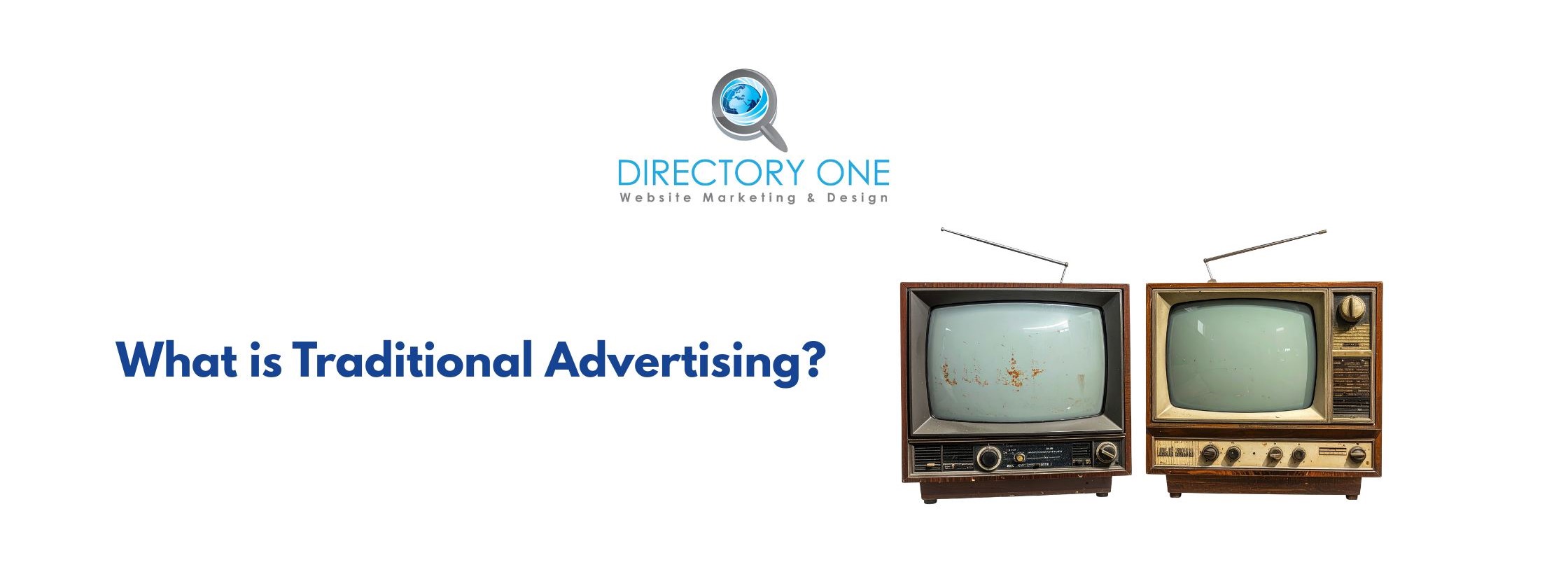
Traditional advertising includes channels like TV, radio, print, and billboards. These methods have been used for decades and still hold value in certain markets.
Traditional advertising encompasses established channels: television commercials, radio spots, print ads (newspapers, magazines), billboards, direct mail, and sponsored content in traditional media outlets. These channels operate on one-way communication models—businesses broadcast messages to audiences with limited interactivity.
Some common traditional advertisement examples include:
- Television commercials
- Newspaper ads
- Radio promotions
- Outdoor billboards
While these methods offer broad reach, they lack the precision and tracking capabilities of digital strategies.
B2B Video Marketing vs Traditional Ads: Key Differences
When comparing traditional vs digital marketing, the differences become clear:
| Feature | B2B Video Marketing | Traditional Advertising |
| Engagement | High | Moderate to Low |
| Targeting | Highly specific | Broad audience |
| Cost | Cost effective digital marketing | Expensive |
| ROI Tracking | Easy | Limited |
This shift highlights why many businesses are moving toward cost effective marketing strategies that deliver measurable results.
The Shift Toward Digital Marketing
There is a clear shift from traditional marketing to digital marketing underway — and it’s being driven by how consumers actually behave today. People spend more time online than ever before, and video is their preferred content format across every device.
This shift is also powered by three practical advantages:
- Better targeting: Reach the right audience by demographics, behavior, and intent — not just geography.
- Real-time analytics: See exactly what’s working and adjust campaigns without wasting budget.
- Improved ROI tracking: Tie every dollar spent to a measurable outcome.
For businesses that have relied on traditional methods, this doesn’t mean abandoning what works. It means understanding where digital — and specifically video — can do more.
Why B2B Video Marketing Commands Attention?
Human brains process visual information 60,000 times faster than text. According to research, visuals are processed nearly simultaneously by the human brain, while text requires sequential processing. This neurological reality gives video an inherent advantage over traditional advertising’s text-heavy or static image approaches.
Information Retention and Comprehension
Studies demonstrate that viewers retain 95% of a message when delivered through video, compared to just 10% when delivered through text. This isn’t a marginal difference—it’s a 9.5x improvement in message retention.
Traditional advertising relies heavily on repetition to achieve retention. A billboard ad must be seen multiple times to be remembered. Video marketing achieves retention through a single, well-crafted viewing.
Emotional Connection Through Storytelling
Video marketing excels at emotional storytelling—a crucial component of modern purchasing behavior. According to Harvard Business School research, emotional responses to advertising are far more influential on purchasing decisions than rational arguments. Video’s combination of visuals, audio, narration, and music creates emotional resonance that static traditional ads struggle to achieve.
A traditional print ad can’t convey the same emotional weight as a 60-second video showcasing customer success stories, human struggles overcome, or brand values in action.
Impact of Video Marketing for Small Business
The primary benefit of video marketing? for small businesses is accessibility for small brands and local enterprises.
B2B Video Marketing Cost-Effectiveness
Traditional advertising requires significant upfront investment. A single month of local television advertising can cost $5,000-$30,000. Radio campaigns require $1,000-$5,000 monthly. Billboard placements demand $1,500-$30,000 monthly.
Video marketing for small business has become increasingly affordable—professional-quality videos can be produced for $500-$5,000, and distribution is free through YouTube and social platforms. A small business can produce quality video content for less than a single month of traditional advertising and retain permanent, evergreen value.
Local Reach Without Geographic Limitation
Local video marketing creates hyperlocal relevance while reaching beyond traditional geographic boundaries. A local plumber in Houston can create videos targeting “emergency plumber near me” searches or “Houston plumbing services,” reaching highly qualified local customers at a fraction of traditional local advertising costs.
Traditional local advertising (radio spots, local TV) reaches broad geographic areas with audience targeting. Video marketing reaches specific demographics, interests, and locations with precision.
B2B Video Marketing: Why Businesses Prefer Video Marketing

Video works because it is flexible, scalable, and measurable. While B2C marketing gets most attention, B2B video marketing delivers extraordinary results in enterprise environments where decision-making cycles are longer, and stakeholders are more sophisticated. So, whether you’re a startup finding your voice or an established enterprise maintaining market share, video fits into every stage of the funnel.
Building Authority and Trust
87% of B2B marketers report that video marketing has positively impacted their sales. Videos demonstrating product expertise, customer case studies, and executive thought leadership build authority in ways traditional B2B advertising cannot match.
B2B buyers research extensively before purchasing. Video content supporting the research phase—white papers visualized, technical demonstrations, expert commentary—directly influences decision-making in ways traditional ads simply don’t.
Lead Quality and Sales Cycle Acceleration
HubSpot’s B2B Video Marketing data shows that 59% of C-level executives would watch a video rather than read an article. This means your target decision-makers aren’t reading traditional ads—they’re watching videos.
Videos in the sales process reduce sales cycles by an average of 25%, directly improving cash flow and quarterly results.
B2B Video Marketing vs Digital Marketing vs Traditional?
| Metric | Video Marketing | Digital Ads (Text/Display) | Traditional Ads |
| Average CTR | 8-12% | 2-5% | N/A (no clicks) |
| Cost Per Engagement | $0.20-$0.50 | $0.50-$2.00 | $1.00-$5.00+ |
| Conversion Rate Lift | 45-50% | 15-25% | 10-15% |
| Average ROI | 380-400% | 200-250% | 150-200% |
| Message Retention | 95% | 40-50% | 10-20% |
| Time to First Conversion | 1-2 views | 4-5 clicks | 6-7 exposures |
| Audience Control | Highly targetable | Moderately targetable | Broad/untargeted |
| Measurement Capability | Comprehensive | Good | Limited |
| Flexibility/Adaptation | Easy (iterate quickly) | Moderate | Difficult (long lead times) |
| Production Cost | $500-$5,000 | $100-$2,000 | $5,000-$50,000+ |
Types Of Marketing Videos? That Drive Results
- Product Demonstration Videos
Show how your product solves specific problems. Product demo videos see average engagement rates of 40-50%.
- Customer Testimonial Videos
Real customers discussing results create social proof. Testimonial videos influence purchase decisions in 92% of viewers.
- Educational Content Videos
Teaching your audience builds authority and attracts organic traffic. Educational videos generate 5x more inbound links than other video types.
- Behind-the-Scenes Content Videos
Humanizes brands and builds emotional connection. Behind-the-scenes videos generate 2x engagement rates vs. promotional content.
- Case Study Videos
Detailed customer success stories prove ROI. Case study videos see 3x longer average viewing time than other formats.
How to Create an Effective Video Marketing Strategy?

Knowing how to create a video marketing strategy is the difference between producing content and producing results. A strong B2B video marketing strategy doesn’t require a massive budget — it requires clarity and consistency.
Start with these four foundations:
- Define your target audience. Who are you speaking to, and what do they actually care about?
- Set clear, measurable goals. Awareness, lead generation, and conversion each require different approaches.
- Choose the right platforms. Where your audience spends time determines where your content should live.
- Measure and refine performance. Track completion rates, click-throughs, and conversions — then optimize based on what the data tells you.
This B2B video marketing strategy framework ensures every video you produce is working toward a specific business objective, not just filling a content calendar.
Video Marketing Trends 2026: The Future of Video Marketing
Staying current with video marketing trends 2026 is essential for staying competitive. The landscape is evolving fast, and the brands adapting early will hold the advantage.
Key trends shaping the future of video marketing include:
- AI-Generated Content: Tools enabling faster, cheaper video production are democratizing video creation—further widening the gap between video and traditional advertising.
- Short-Form Video Dominance: TikTok and Instagram Reels have trained audiences to consume snackable 15-90 second videos. Marketing success increasingly depends on capturing attention in compressed timeframes.
- Personalized Video: Dynamic video personalization—inserting viewer names, customizing product recommendations—is becoming standard practice, dramatically improving conversion rates.
- Interactive Video: Shoppable videos, branching narratives, and interactive CTAs transform passive viewing into active engagement.
- Voice Search and Video: As voice search grows, video content optimized for voice queries becomes increasingly valuable.
- Mobile-first consumption: The majority of video content is now watched on mobile — production and formatting must reflect that reality.
When Traditional Advertising Still Works?
Despite the digital shift, traditional advertising isn’t obsolete — it’s just more selective in where it delivers value. It remains most effective for:
- Local brand awareness in markets with strong offline media habits
- Mass audience reach for broad campaigns where precision targeting isn’t the priority
- Offline environments where digital touchpoints simply aren’t available
The strongest marketing strategies in 2026 don’t choose between digital and traditional — they use both intelligently. Video builds engagement and drives conversions online. Traditional methods reinforce brand presence in physical spaces. Together, they create a more complete market presence than either delivers alone.
Conclusion
The debate between video marketing vs traditional advertising was never really about choosing one and abandoning the other. It’s about knowing what each does well — and where the better investment lies for your specific goals.
Traditional methods offer reach. Video delivers engagement, targeting, and ROI you can measure and act on. As the shift from traditional marketing to digital marketing accelerates, the businesses that adapt their strategies now will be best positioned to compete in the years ahead.
The question isn’t whether video belongs in your marketing mix. The question is how quickly you can make it work for you.
Directory One specializes in Houston video marketing? strategies for businesses. We understand the benefits of video marketing for business growth? and our experts know how to create a video marketing strategy? very well. Launch your first video marketing campaign or optimize an underperforming video strategy, call us at (713) 269-3094 for professional cost effective marketing? and conquer the shift from traditional marketing to digital marketing?.
About The Author
