





Types of Search Engine Algorithm: Complete Guide to Google Updates & Ranking Factors
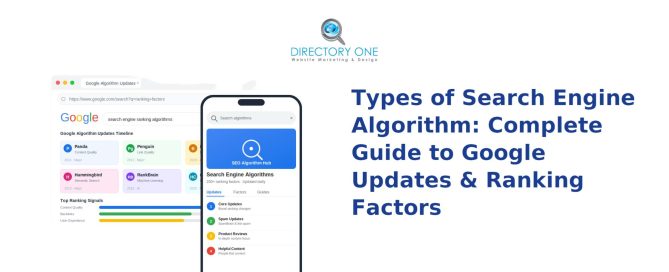
Your website did not change. But your rankings did. That is the unsettling experience millions of website owners face after a Google algorithm update. Understanding the types of search engine algorithm, specifically how Google’s systems work, is the difference between reacting in panic and responding with a clear strategy.
This guide covers the types of search engine algorithm, the complete Google algorithm update list, key SEO ranking algorithms, and exactly what to do when updates shift your rankings.
What Are Search Engine Algorithms?
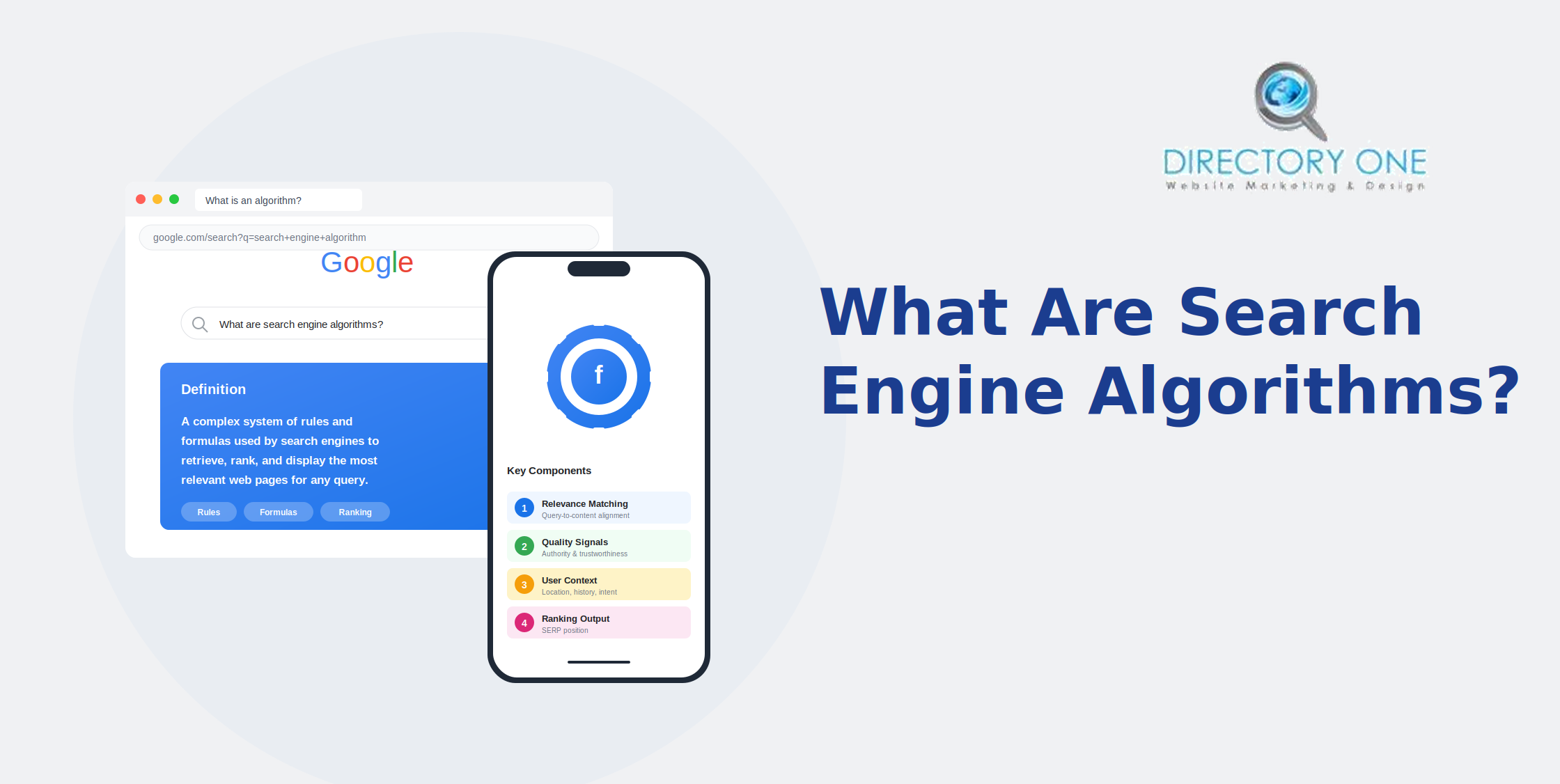
A search engine algorithm is a set of automated rules and systems that determine which web pages appear in search results and in what order when a user types a query.
Think of it as a judge in an enormous competition. Billions of pages are competing for the top spots. The algorithm evaluates each page across hundreds of factors — relevance, quality, authority, experience, and technical health and returns a ranked list of results within fractions of a second.
According to Google Search Central, Google’s ranking systems analyze many factors and signals about hundreds of billions of web pages to present the most relevant, useful results. These systems operate at both the page level and the site-wide level.
Critically, Google’s algorithm is not a single formula. It is a collection of interconnected systems — each designed to evaluate a different dimension of quality. Understanding the types of search engine algorithm within Google’s system is the foundation of any effective SEO strategy.
How Does the Search Engine Algorithm Work?
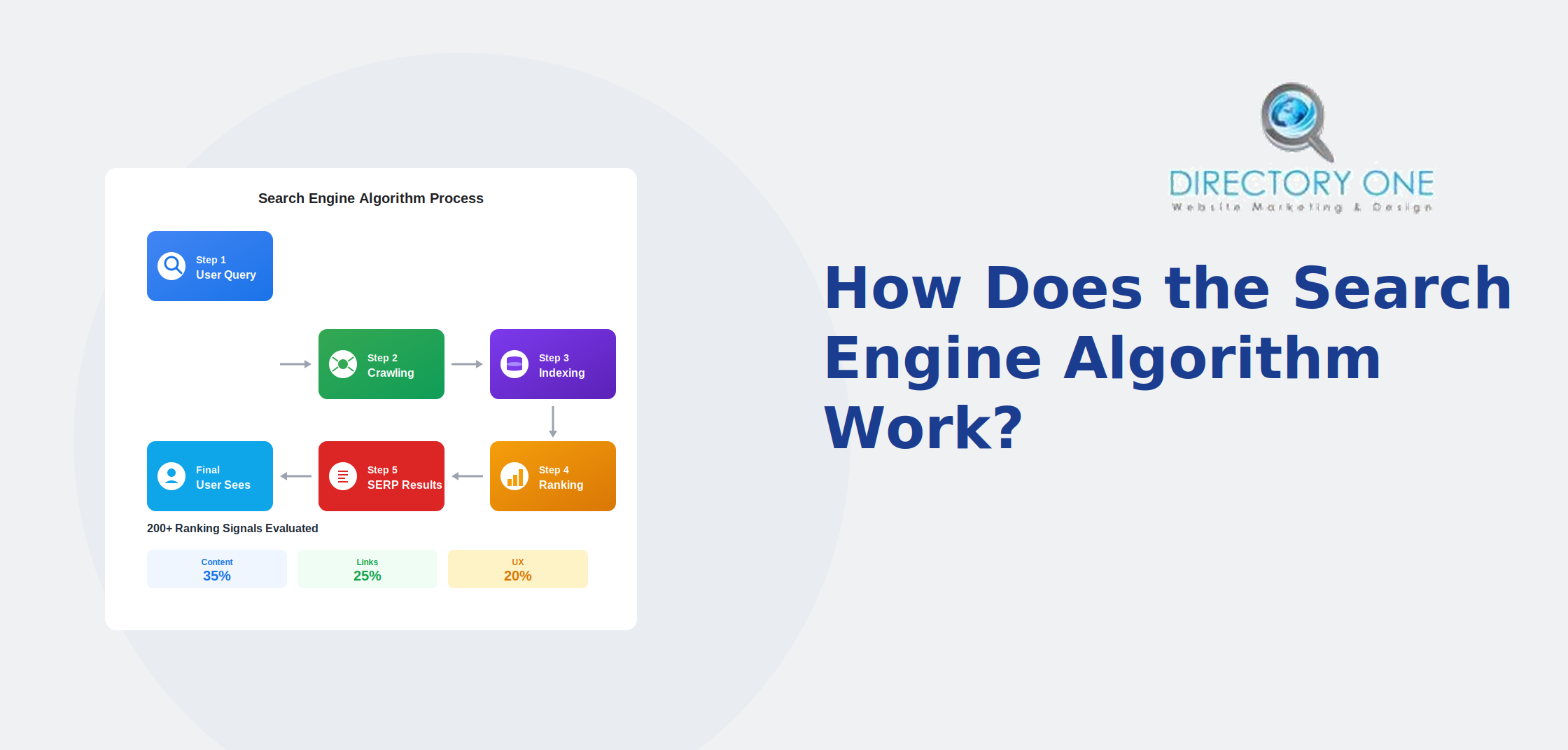
At the highest level, they follow three stages: crawling, indexing, and ranking.
- Crawling is when Google’s automated bots (Googlebot) discover and read web pages by following links across the internet.
- Indexing is when Google stores and organizes crawled content in its database — the Google index — making pages eligible to appear in search results.
- Ranking is when Google’s algorithms evaluate all indexed pages and determine which to show, and in what position, for a given query.
The ranking stage is where SEO ranking algorithms do their heaviest work. They evaluate content relevance, backlink authority, page experience, E-E-A-T signals, query intent, and dozens of additional signals, all in under a second.
According to Danny Sullivan from Google, the search engine makes an average of nine algorithm changes per day, equivalent to over 3,200 changes per year. Most are invisible. But several each year are broad enough to shift rankings significantly across entire industries.
What Is Search Engine Indexing?
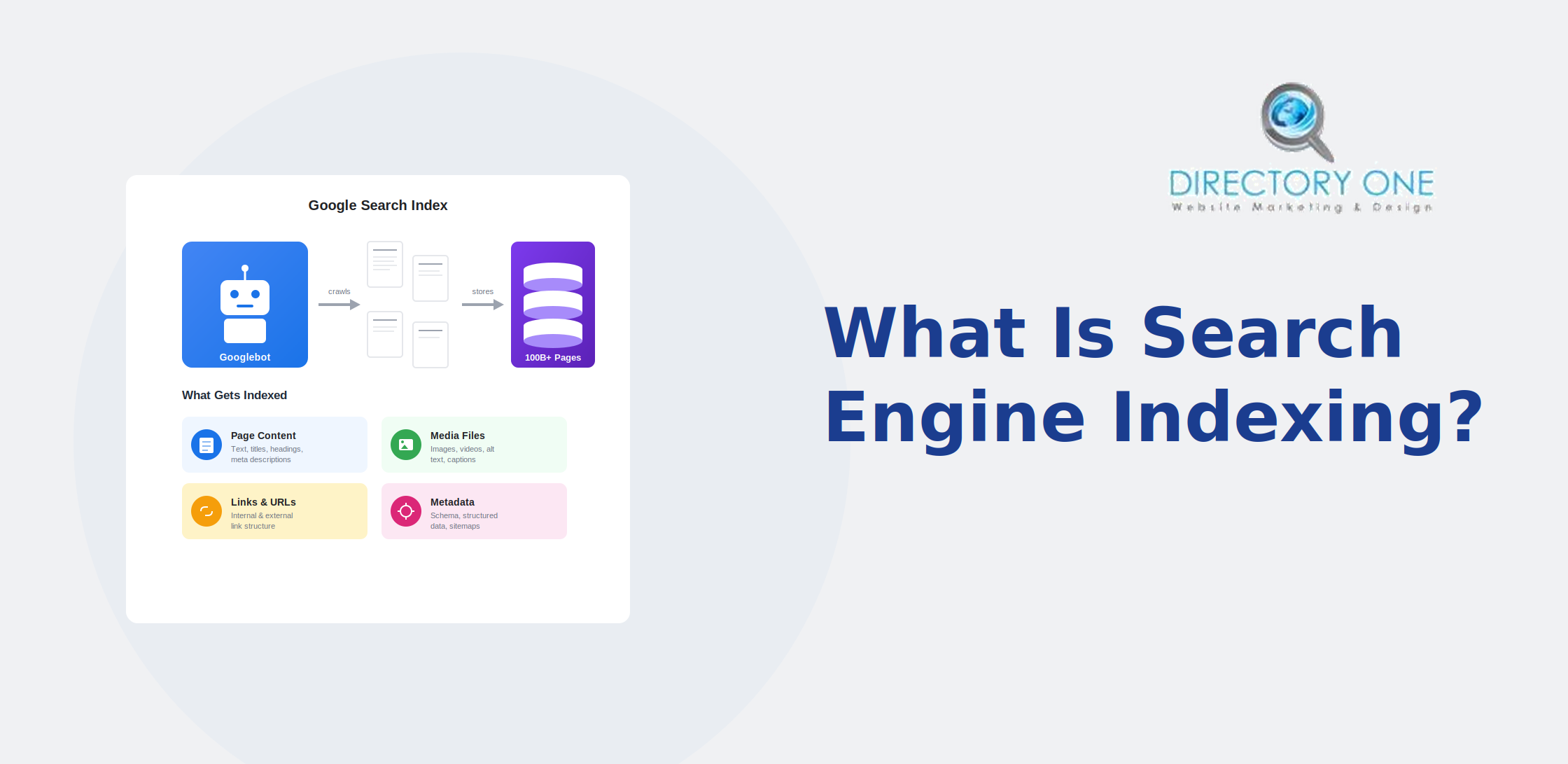
It is the process by which a search engine stores and organizes the content it has crawled, making pages eligible to appear in search results.
Search engine indexing is the bridge between discovery and ranking. A page cannot rank if it is not indexed. And a page can be crawled without being indexed — Google actively filters out thin, duplicate, or low-value content before adding pages to its index.
Search engine indexing algorithms evaluate each crawled page for originality, quality, canonical status, and content depth before deciding whether to store it. These are part of Google’s quality systems, including the Helpful Content system (now integrated into core ranking), that filter out pages made for search engines rather than for real users.
Google crawling and indexing are the prerequisites for everything else. If your pages are not indexed, no amount of on-page optimization or backlink building will produce rankings. Always verify your most important pages are indexed using Google Search Console’s Page Indexing report. Confirm that being indexed by search engines means your pages are in the pool of eligible results.
How Do SEO Ranking Algorithms Work with Google Crawling and Indexing?
How do search engine algorithms work in the context of crawling, indexing, and ranking? These three stages work as a pipeline.
First, Googlebot crawls pages by following links. Second, search engine indexing algorithms evaluate crawled pages and decide which to enter the index. Third, ranking algorithms evaluate indexed pages and assign positions for relevant queries.
A breakdown at any stage stops the process entirely. A page blocked from crawling is never indexed. A page with thin content is crawled but not indexed. A page that is indexed but lacks authority and relevance never ranks well.
This is why SEO ranking algorithms cannot be addressed in isolation. Technical health (crawlability), content quality (indexability), and authority (ranking strength) must all be solid simultaneously.
Complete Google SEO Algorithm List
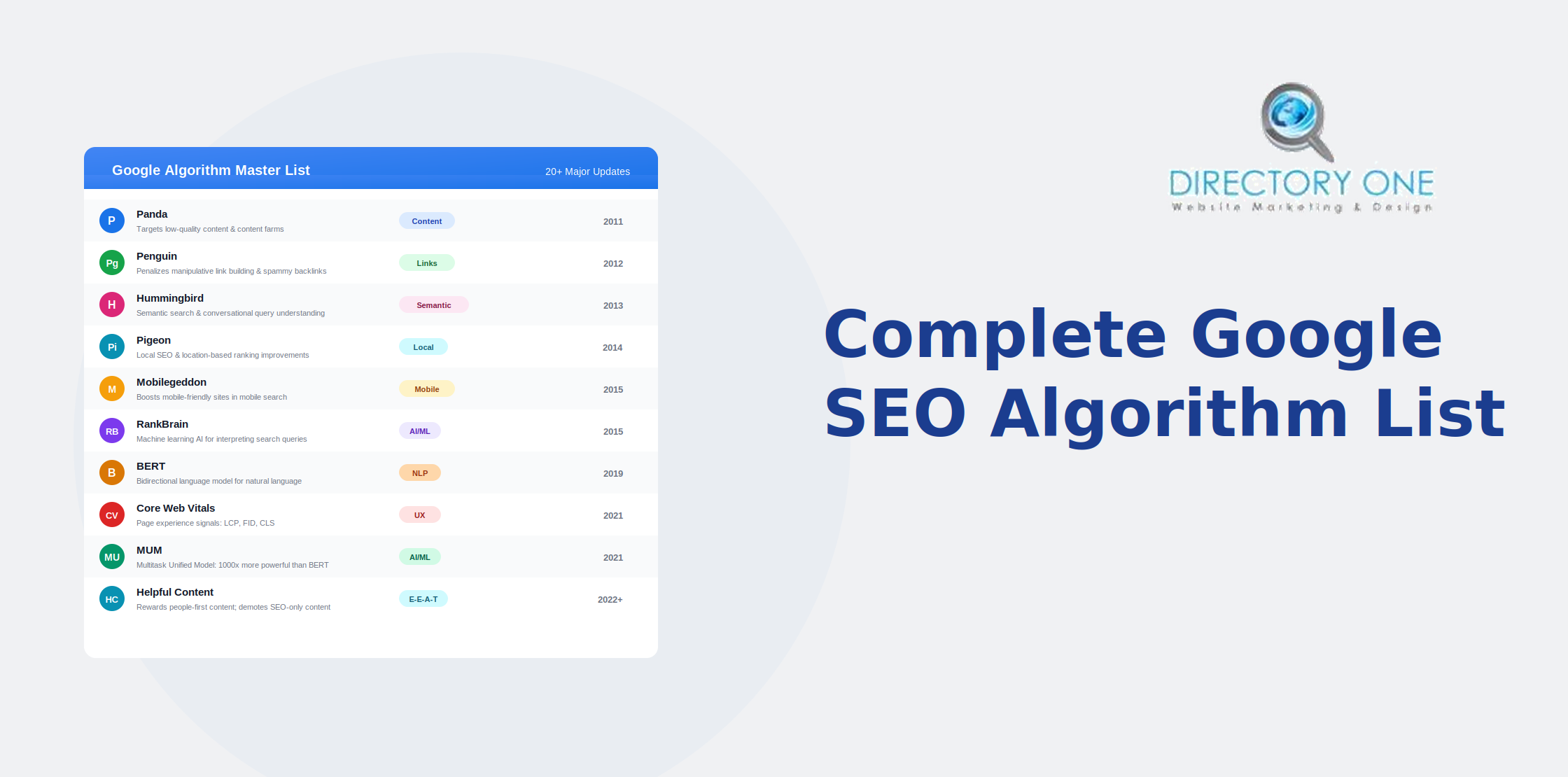
Here is the Google SEO algorithm list — the major named systems and updates that have shaped Google search engine algorithm behavior:
Named Algorithm Systems (ongoing):
- Panda (2011, integrated 2015) — Targets thin, duplicate, and low-quality content. Rewards comprehensive, original pages. Sites with large amounts of low-quality content saw site-wide ranking drops.
- Penguin (2012, real-time 2016) — Targets manipulative link-building. Evaluates backlink quality and penalizes spammy or irrelevant links. Now runs in real-time as part of core ranking.
- Hummingbird (2013) — A complete replacement of Google’s core algorithm. Enabled understanding of conversational queries and user intent — not just individual keywords.
- Pigeon (2014) — Overhauled local search rankings, tying local results more closely to web search signals.
- RankBrain (2015) — A machine learning system that interprets novel queries and understands the context behind search intent.
- Mobilegeddon (2015) — Made mobile-friendliness a direct ranking factor for mobile searches.
- BERT (2019) — Bidirectional Encoder Representations from Transformers. A major NLP upgrade that helps Google understand the meaning of words in context, not just individual keywords.
- Core Web Vitals / Page Experience (2021) — LCP, FID/INP, and CLS became official ranking signals.
- MUM (2021) — Multitask Unified Model. Processes text, images, and video simultaneously to answer complex queries.
- Helpful Content System (2022, integrated into core 2024) — Rewards content written for people first. Penalizes content created primarily for search engine rankings.
The Google Algorithm Update List For 2024–2025
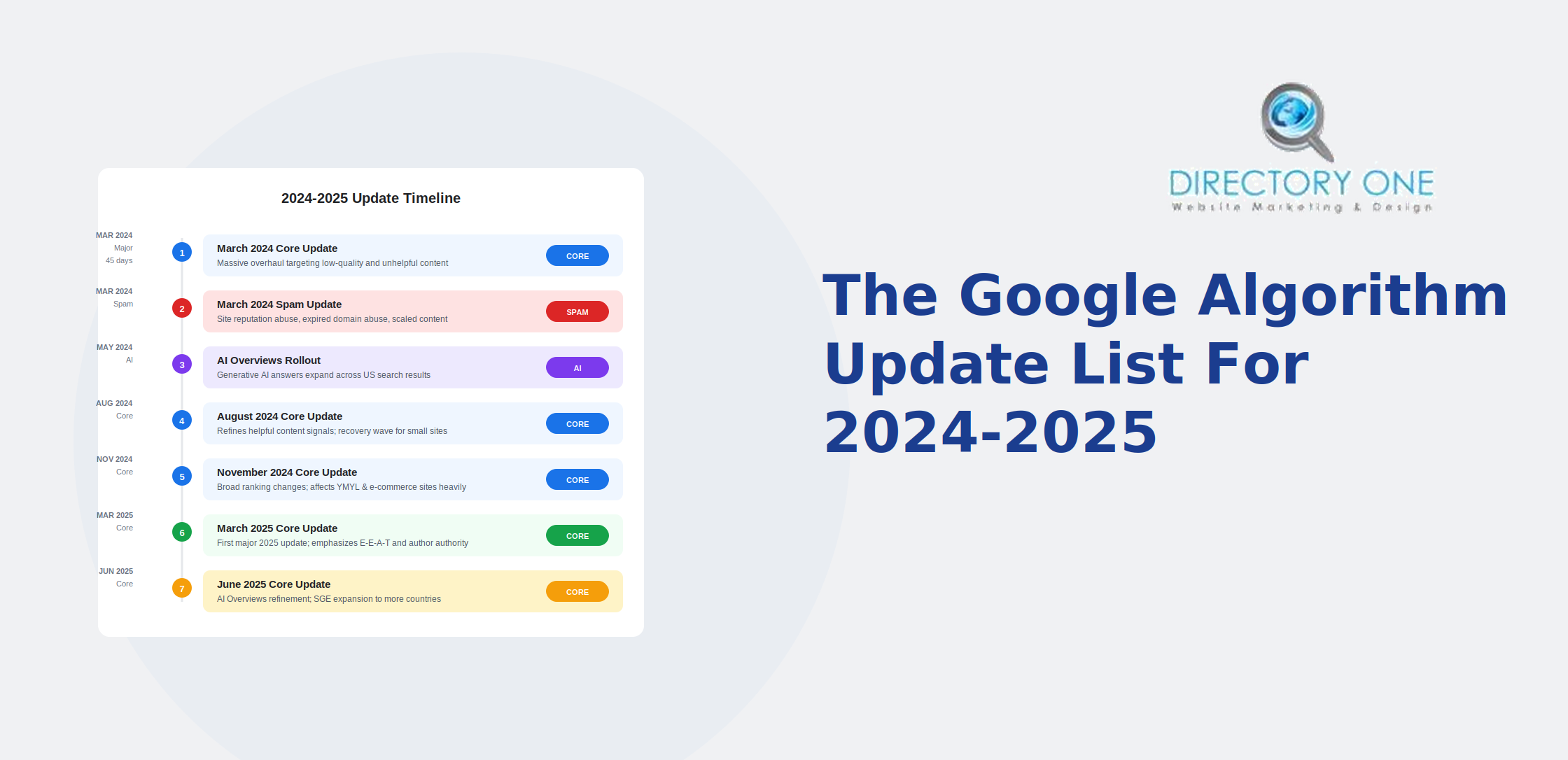
- March 2024 Core Update — The most complex core update to date, involving changes to multiple core systems simultaneously. Introduced new spam policies targeting scaled content abuse, expired domain abuse, and site reputation abuse.
- August 2024 Core Update — Continued the push to surface genuinely helpful content, with emphasis on small and independent sites producing original work.
- December 2024 Core Update — Standard quality improvement update, one of four confirmed updates in 2024.
- March 2025 Core Update — First core update of 2025, took 14 days to complete.
- June 2025 Core Update — Favored sites with transparent authorship, expert sourcing, and genuine human involvement in content creation.
- August 2025 Spam Update — Broad global spam update targeting various spam tactics. Hit hard and fast.
- December 2025 Core Update — Third core update of 2025, took 18 days to complete.
In 2025, Google confirmed three core updates and one spam update. Google noted it does not announce all algorithm changes — only the larger, broader core updates.
Google Search Engine Algorithm Updates: What Changed and Why It Matters
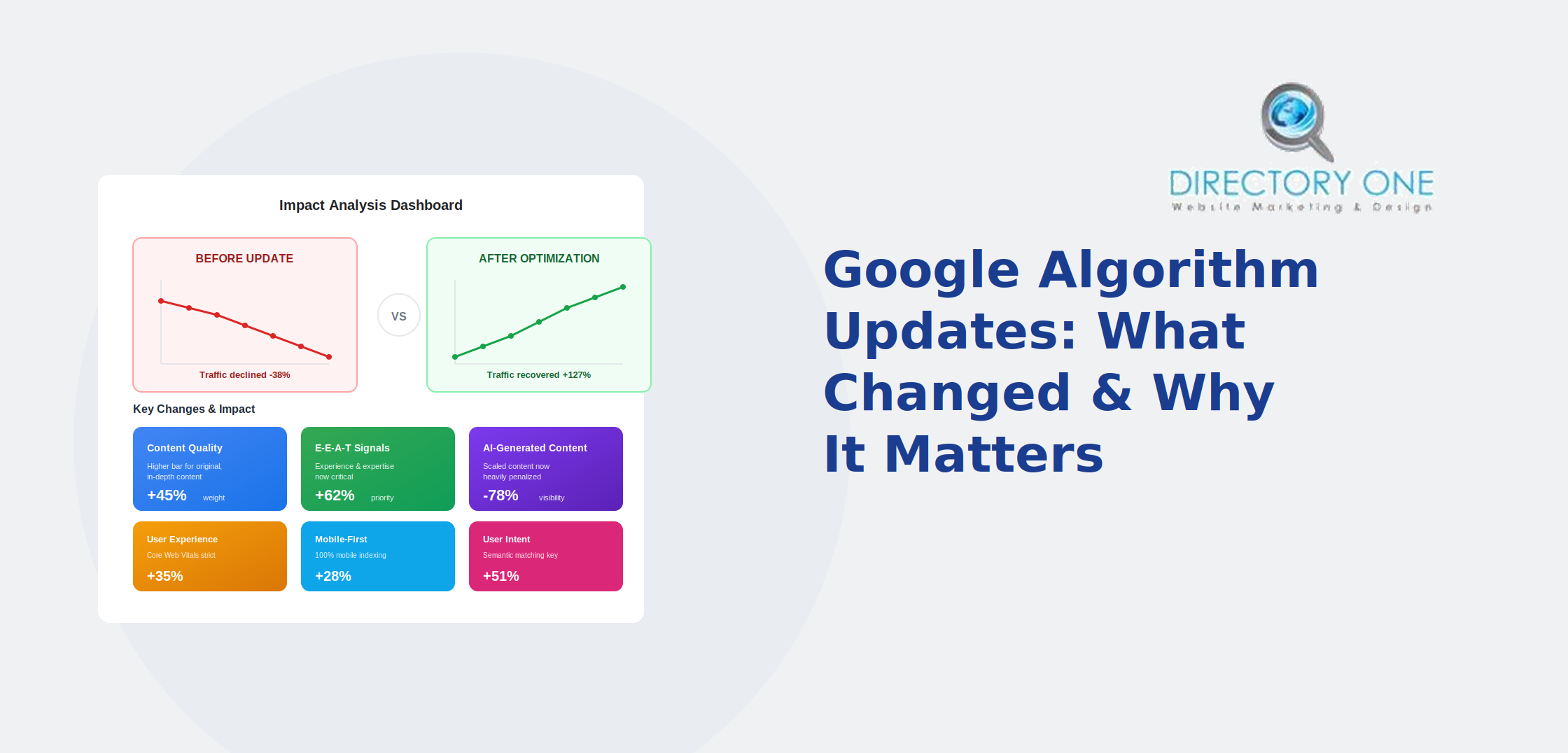
Google search engine algorithm updates share a consistent direction: each update pushes harder toward rewarding content that genuinely helps users and punishing content created to manipulate rankings.
The March 2024 update was a turning point. Google described it as its most complex update to date — involving multiple core systems simultaneously — and integrated the Helpful Content system into core ranking permanently. This means quality evaluation is no longer a separate check. It is woven into every ranking decision Google makes.
The 2025 updates continued this direction. The June 2025 update specifically favored pages with transparent authorship, expert credentials, and content that cited reputable sources. According to post-update analysis, pages with LCP load times above 3 seconds experienced 23% more traffic loss than faster competitors with comparable content during the December 2025 update — confirming that Core Web Vitals act as a quality tiebreaker when content is otherwise similar.
The new search algorithm Google’s direction for 2026 is clear: E-E-A-T signals (Experience, Expertise, Authoritativeness, Trustworthiness), original content with human expertise, fast technical performance, and genuine relevance to user intent. Generic, templated, AI-mass-produced content without human review continues to underperform significantly after each update cycle.
SEO Ranking Algorithms: Key Factors That Influence Search Rankings
According to First Page Sage’s Q1 2025 Google algorithm analysis, the top ranking factors by weight are:
Key shifts from previous years: Backlinks dropped from 15% to 13% as Google’s AI has grown capable of evaluating content quality without relying as heavily on external links. Searcher engagement — time on page, pogo-sticking avoidance, completion of the user’s goal — has increased each of the last three years. Content that fully satisfies user intent now carries more weight than content that merely mentions keywords.
Search Engine Algorithm Changes Business Impact and SEO Strategy
Search engine algorithm changes business impact, which are misunderstood mostly.
When rankings drop after an update, the most common instinct is to panic and make immediate changes. However, this is usually counterproductive. As Google’s documentation confirms, most ranking drops after a core update are reassessments, not penalties. A page drops because Google found another page that better satisfies the user’s intent, not because your page was penalized.
The business implications are real. Rankings fluctuations affect traffic, leads, and revenue, sometimes sharply. However, the underlying cause is almost always one of three things: content that has not kept pace with user expectations, technical issues that have accumulated, or a backlink profile that has grown stale.
A strong SEO strategy built around consistent content quality, technical health, and genuine authority building weathers algorithm updates far better than one built around exploiting ranking signals.
How to Adapt to the New Search Algorithm Google Updates for Better Rankings
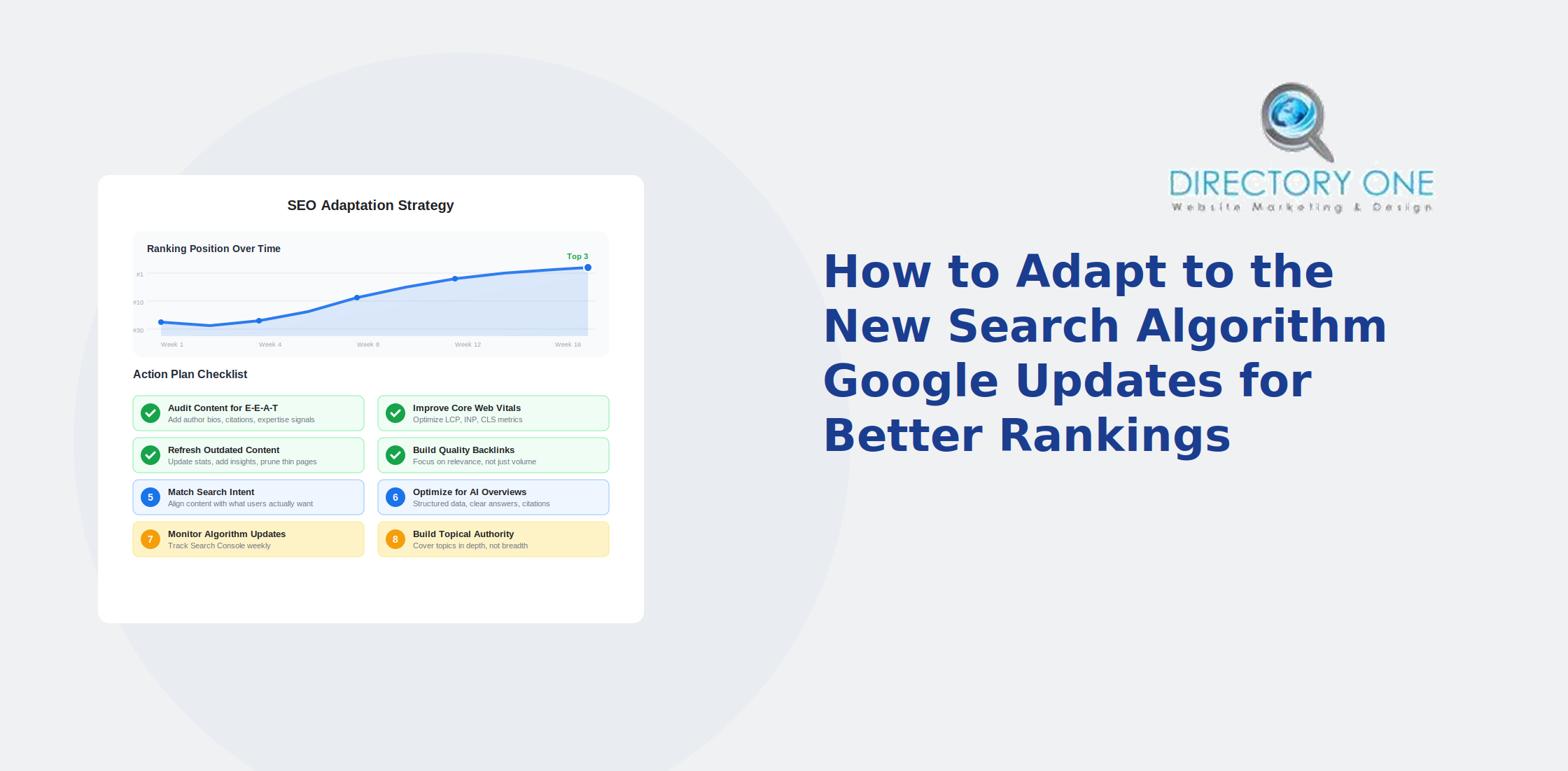
These steps apply after any Google search update today algorithm event:
Step 1: Wait for the rollout to complete.
Core updates typically take 2–3 weeks to roll out fully. Rankings are volatile during this window. Avoid making reactive changes until the rollout is complete and rankings have stabilized.
Step 2: Diagnose before acting.
Use Google Search Console to identify which pages lost rankings and for which queries. Look for patterns — were they specific page types? Specific topics? Content from a certain time period? The pattern tells you where the problem is.
Step 3: Evaluate your content against E-E-A-T.
Ask: Does this page demonstrate real experience with the topic? Has the author demonstrated expertise? Is the information accurate and current? Is there original value — data, insight, or perspective — that other pages do not offer?
Step 4: Fix technical issues.
Run a Core Web Vitals audit. Check for pages failing LCP, INP, or CLS thresholds. Verify that your key pages are indexed and crawlable. Address any errors in Search Console.
Step 5: Improve, do not discard.
Thin pages should be expanded with original, useful content. Outdated pages should be refreshed with current data. Duplicate content should be consolidated. Rarely should pages be deleted before being improved.
Step 6: Be patient.
Recovery from a core update typically requires waiting for the next core update, which happens every 3–4 months. However, Google also makes smaller, unannounced updates continuously, and improvements can surface between major updates if content quality genuinely improves.
Need Help Adapting Your SEO Strategy to Google’s Evolving Algorithms?

Directory One provides enterprise SEO services, organic search engine optimization services, and AI search engine optimization services for businesses of all sizes, from local Houston companies to national brands.
As a full-service digital marketing agency for SEO and a trusted full-service branding and SEO agency, our team monitors algorithm changes continuously, adapts strategies proactively, and builds organic visibility that compounds over time, not one that crumbles after the next update.
Our SEO services include:
- Search Engine Optimization — comprehensive organic growth strategies.
- Content Marketing Solutions — E-E-A-T-aligned content built to rank and survive updates.
- Link Building Services — quality authority building that holds through algorithm changes.
- Website Design Houston — technically sound sites built for Core Web Vitals and indexability.
- Pay-Per-Click Management — immediate visibility while organic rankings build.
Final Statement
The types of search engine algorithm at Google are not a static formula. They are evolving systems; all moving in the same direction. Content that helps real people. Pages that load fast. Sites that demonstrate genuine expertise.
Understanding how do search engine algorithms work gives you the foundation to build an SEO strategy that does not collapse every time a new update rolls out. Because when your strategy aligns with what the algorithm is trying to reward, rather than what it used to reward, updates become opportunities, not threats.
Whether you need enterprise SEO services or organic search engine optimization services for a local startup, our team provides AI-driven SEO services in Houston with proven ROI. Call us at 713.269.3094 or explore our SEO services.
About The Author
