





How SEO Is Changing With AI: Strategies, Tools & Future Trends
Search engine optimization has never stood still — but the pace of change right now is unlike anything the industry has seen before. How SEO is changing with AI is the single most important question any business owner or marketer should be asking in 2026. Artificial intelligence is no longer a future concept sitting on the horizon. It is already reshaping how content ranks, how users search, and how businesses compete for visibility online.
At Directory One, we work with Houston businesses every day to navigate this shift. This guide breaks down exactly what is happening, what it means for your strategy, and how to stay ahead of it.
What Is Driving the Change? The Role of AI in SEO
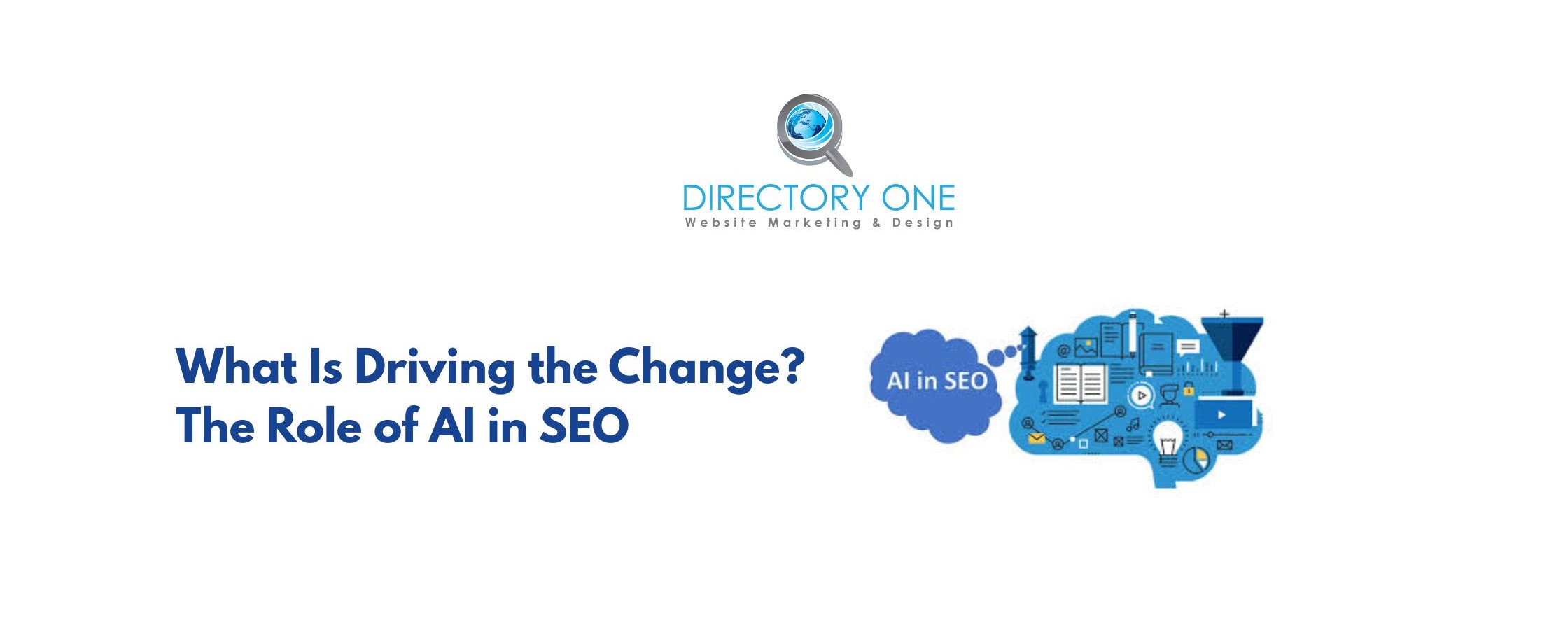
To understand how SEO is changing with AI, you need to start with the search engine itself. Google’s algorithm in search engines has shifted from a rule-based system to a learning-based one. Early algorithms matched keywords. Modern algorithms interpret meaning, evaluate quality, and predict user satisfaction.
Here is how that evolution looks in practice:
| Era | Algorithm Approach | What It Rewarded |
| Pre-2011 | Keyword matching | High keyword density, volume of backlinks |
| 2011–2015 | Quality filtering (Panda, Penguin) | Content quality, natural link profiles |
| 2015–2019 | Semantic understanding (Hummingbird, RankBrain) | Topic relevance, user intent |
| 2019–2022 | Language modeling (BERT) | Natural language, context, nuance |
| 2023–Present | Generative AI + SGE | Authority, E-E-A-T, direct answer quality |
The role of AI in SEO today is not just one signal among many. It is the operating system through which all signals are interpreted. Every update Google makes is now an AI update at its core.
The Role of AI in SEO for Your Strategy
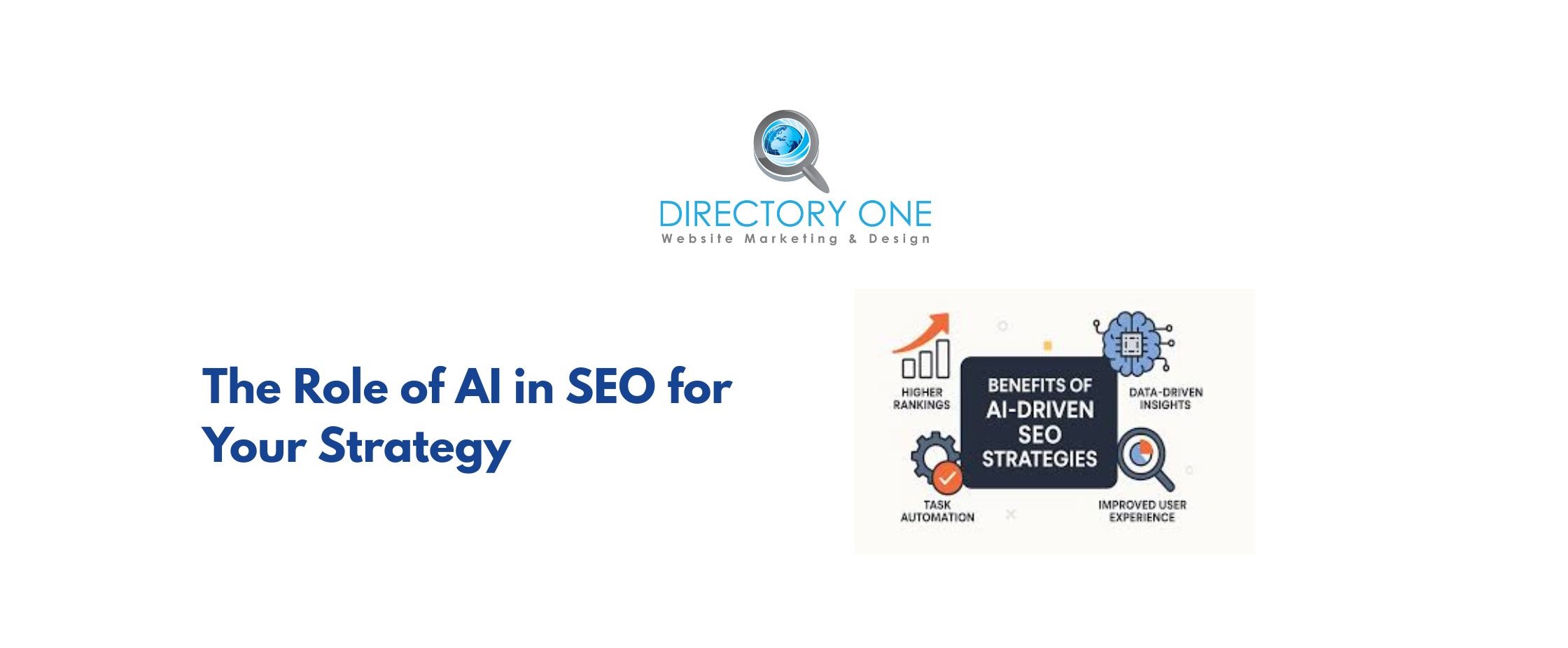
The practical shift is this: SEO is no longer primarily about what you put on a page. It is about what experience a user has when they arrive. AI and machine learning in SEO have made it possible for search engines to evaluate pages the way a discerning human reader would — assessing depth, accuracy, originality, and usefulness in ways that simple crawlers never could.
This changes priorities across the board:
- Keyword density matters far less than topic completeness
- Backlink volume matters far less than backlink authority and relevance
- Technical compliance is now baseline, not a competitive advantage
- Content originality and demonstrated expertise have become primary differentiators
According to Google’s own Search Quality Evaluator Guidelines, E-E-A-T — Experience, Expertise, Authoritativeness, and Trustworthiness — is the framework their human raters and AI systems use to assess content quality. This is where the role of AI in SEO is most consequential for content creators.
How AI Is Changing Local SEO?
One of the most immediate impacts for Houston businesses is how AI is changing local SEO. Local search has always been competitive, but AI has added new layers of complexity — and new opportunities.
AI-powered systems now factor in behavioral signals — how users interact with local results, which listings they click, how long they stay — to refine what gets shown in local packs and map results. The role of AI in local SEO optimization goes beyond just serving results faster. It is actively learning what satisfies local searchers and adjusting rankings accordingly.
For businesses competing in Houston’s market, this means:
- Google Business Profile optimization matters more than ever
- Review signals carry stronger weight as AI learns from real user sentiment
- Hyper-local content — covering neighborhoods, specific services, and community relevance — is increasingly rewarded
- Consistency across citations and directories is still foundational
How AI is changing local SEO also shows up in voice search. More Houston customers are searching conversationally — “best HVAC company near me open now” — and AI systems are built specifically to handle that kind of natural language query. Businesses that optimize for conversational, intent-driven content are pulling ahead in local results.
AI and Machine Learning in SEO
AI and machine learning in SEO is a broad topic that gets oversimplified quickly. Here is what actually matters for your strategy.
Machine learning allows search engines to continuously improve their understanding of what good content looks like — without human engineers manually updating rules. Every search, every click, every bounce teaches the system something. Over time, the model gets better at identifying which pages genuinely help users and which pages are just optimized to look like they do.
What this means practically:
- Content quality is now evaluated holistically.
A page is not assessed by keyword density alone. AI evaluates structure, depth, readability, originality, and how well the content matches the full intent behind a query. Thin or generic content that used to rank on technical optimization alone is losing ground fast.
- User signals matter more.
Click-through rates, dwell time, and engagement patterns are factored into how machine learning models score pages over time. Writing for humans — not just for crawlers — is now both good practice and a ranking requirement.
Semantic relevance trumps keyword stuffing. AI and machine learning in SEO have made exact-match keyword repetition far less important than covering a topic comprehensively. A page that thoroughly addresses a subject will outperform a page that simply repeats a target phrase.
According to Semrush, over 60% of SEO professionals say AI tools have already become a core part of their workflow — and that number is growing year over year.
AI Search Optimization vs Traditional SEO: A Direct Comparison
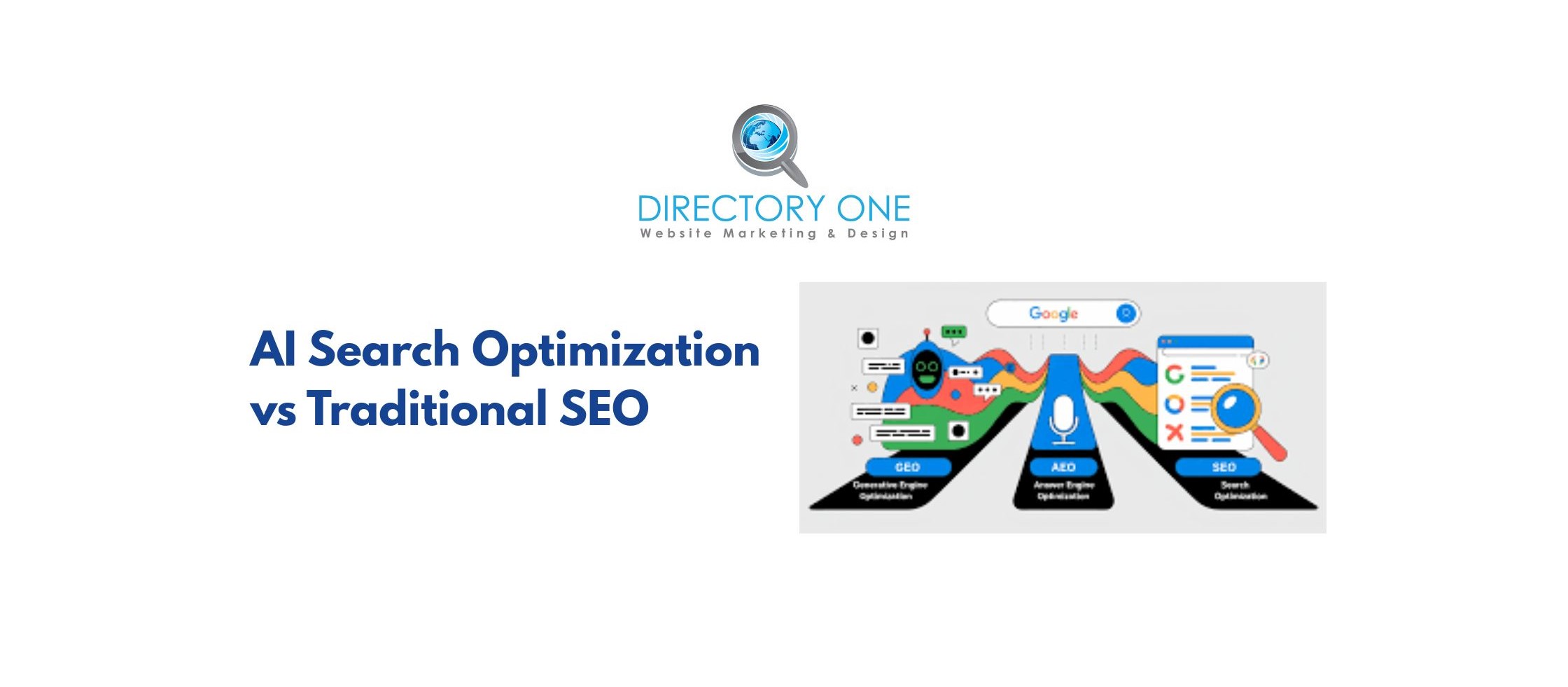
Understanding AI search optimization vs traditional SEO helps clarify where to invest your efforts.
Traditional SEO principles have not been invalidated by AI. Links still matter. Technical health still matters. Content quality has always mattered. What AI has changed is the bar for execution.
The differences show up in three areas:
- Speed.
AI-assisted workflows produce research, briefs, and draft content significantly faster than purely manual processes. Businesses that leverage this speed advantage can publish more consistently and respond to ranking opportunities faster.
- Precision.
Traditional keyword research relied heavily on search volume as a proxy for opportunity. AI tools surface intent clusters, competitive gaps, and semantic relationships that simple volume data cannot reveal.
- Scale.
Manual SEO does not scale. Best AI SEO automation tools make it possible for a small team to manage a large site’s technical health, content calendar, and performance monitoring simultaneously.
The businesses winning in search right now are those combining traditional SEO foundations with AI-powered execution. Neither alone is sufficient.
| Factor | Traditional SEO | AI Search Optimization |
| Keyword strategy | Single keyword targeting | Intent cluster mapping |
| Content creation | Word count and keyword placement | Semantic depth and topic authority |
| Technical SEO | Manual audits and fixes | Automated crawls with AI prioritization |
| Link building | Volume-focused outreach | Authority and relevance-focused |
| Performance analysis | Monthly reporting | Real-time AI-driven insights |
| User signals | Indirect consideration | Direct ranking input via ML models |
The conclusion is not that traditional SEO is obsolete. It is that AI search optimization vs traditional SEO is a false choice — the strongest strategies combine proven fundamentals with AI-powered execution.
Best AI Tools for SEO
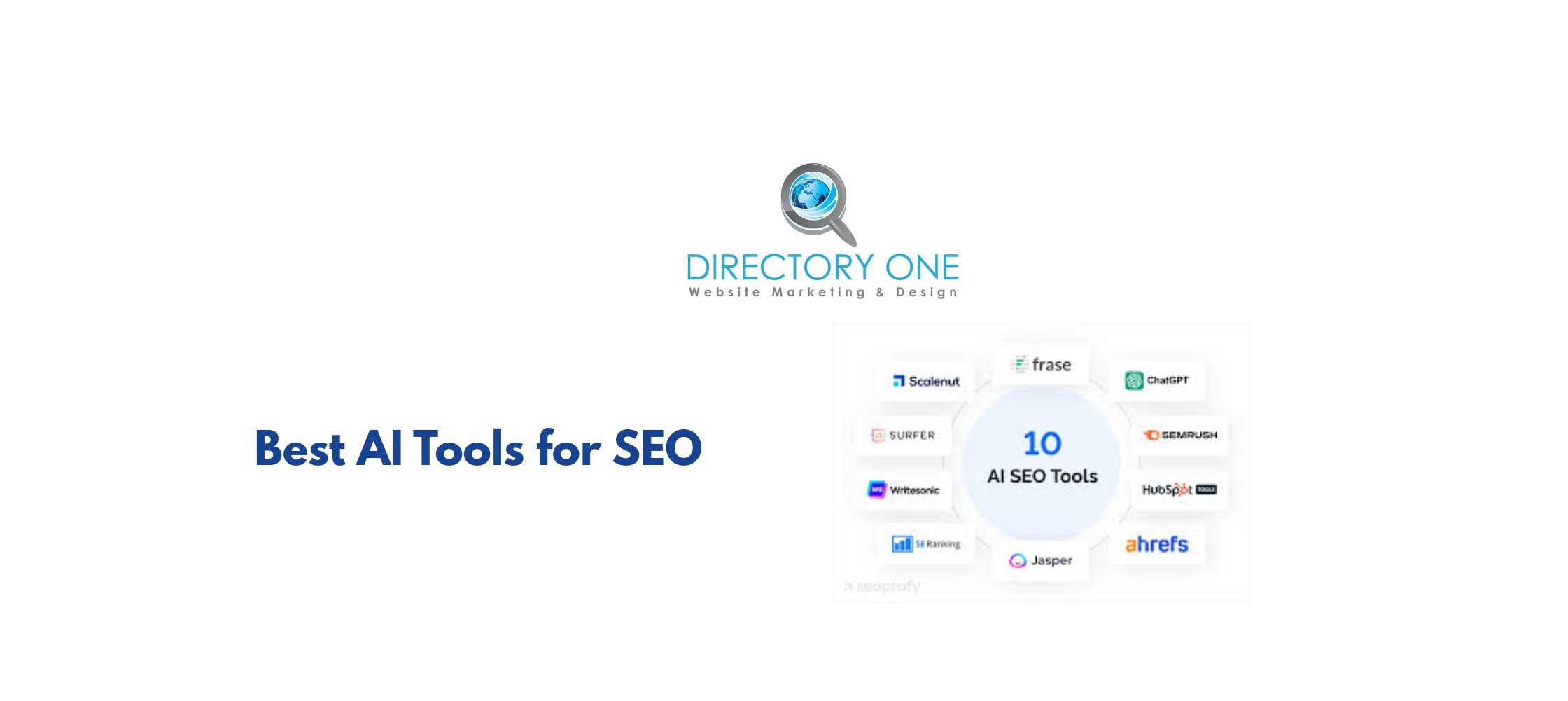
Using the right tools is critical to adapting to how SEO is changing with AI.
| Tool | Primary Use | Best For |
| SEMrush | Keyword & competitor research | Advanced SEO insights |
| Surfer SEO | Content optimization | On-page SEO |
| Jasper | AI content writing | Scalable content |
| Screaming Frog | Technical SEO audit | Site health checks |
These are widely considered the best AI tools for SEO and effective AI-powered SEO tools. Small businesses can also use AI SEO tools for small business to compete without large budgets.
AI for On-Page SEO Optimization
A major area where how SEO is changing with AI is visible is in on-page SEO. AI helps with:
- Content structure
- Keyword placement
- Readability improvements
Using AI for on-page SEO optimization ensures content aligns with both search engines and user expectations. Many tools now act as an AI agent for SEO strategy, guiding optimization in real time.
Generative AI and SEO: Opportunities and Risks
Generative AI for technical SEO and content creation has opened up genuine efficiency gains — but it has also introduced risks that businesses need to manage carefully.
Is AI Content Good for SEO?
Is AI content good for SEO? The honest answer is: it depends entirely on how it is used.
Google’s position is clear. It does not penalize AI-generated content by default — it penalizes low-quality content, regardless of how it was produced. Content that is generic, inaccurate, thin on original insight, or obviously written without any human expertise will underperform. Content that is well-structured, accurate, genuinely helpful, and demonstrates real knowledge can rank — whether a human wrote it, an AI wrote it, or both contributed.
Generative AI best practices for SEO come down to this: use AI to accelerate your process, not to replace your judgment. Draft with AI, refine with expertise, fact-check with care, and always add something original that the AI cannot provide on its own — personal experience, local knowledge, industry insight.
What Is the Future of SEO With AI?
What is the future of SEO with AI is the question every business owner wants answered — and the honest answer is that it is still developing. But the direction is clear.
The future of SEO with AI technology points toward:
- Search, becoming more conversational. As AI-generated answers become more common in search results, the emphasis shifts from ranking for clicks to being cited as a trustworthy source. Building genuine authority matters more than ever.
- Zero-click results, expanding. More queries will be answered directly in the SERP without a user ever visiting a website. SEO strategy needs to account for this by targeting queries where a click is still required and by building brand recognition that drives direct searches.
- Personalization deepening. AI allows search engines to tailor results more precisely to individual users based on behavior, location, and history. Hyper-relevant, specific content will outperform broad generalist content.
- E-E-A-T, becoming the primary filter. Google’s emphasis on Experience, Expertise, Authoritativeness, and Trustworthiness is a direct response to AI content proliferation. Human expertise, demonstrated through original insight and credible sourcing, will be the differentiator.
The impact of AI on SEO future is not the end of SEO — it is the evolution of it. Businesses that adapt their strategies now will be positioned strongly as these changes mature.
Will AI Replace SEO Experts?
Will AI replace SEO experts? This question comes up constantly — and the answer is no, but the role is changing.
AI handles volume, speed, and pattern recognition extremely well. What it does not replace is strategic thinking, creative judgment, client understanding, and the ability to interpret data in a business context.
An AI agent for SEO strategy can generate keyword lists, audit a site, and draft content briefs. It cannot determine what your business goals are, understand your competitive positioning in the Houston market, build relationships that earn editorial links, or make judgment calls about brand voice and audience fit.
SEO experts who embrace AI tools become significantly more productive and valuable. Those who ignore them will struggle to compete with the output and efficiency of teams that do not.
The future belongs to people who combine strategic expertise with the leverage that AI-powered SEO tools provide.
AI SEO Services in Houston: What to Look for?
Whether you are a startup, a growing small business, or an established company, choosing the right AI SEO agency in Houston with proven results requires asking the right questions.
Besides, AI SEO services in Houston for startups should specifically prioritize fast indexation, foundational technical setup, and content strategies that build authority efficiently with limited initial resources.
For established businesses evaluating AI SEO services in Houston with proven ROI, the conversation shifts to measurable outcomes — organic traffic growth, lead quality, cost per acquisition from organic search, and long-term ranking stability.
In both cases, look for an agency that:
- Combines AI tooling with genuine human strategic expertise
- Reports transparently on what is working and what needs adjustment
- Understands the Houston market and your specific competitive landscape
- Has a track record — case studies, results, real client outcomes
How Directory One Helps Houston Businesses With AI-Driven SEO?
Directory One is a Houston-based digital marketing agency that has been helping businesses grow their online presence for years. In fact, we combine proven SEO fundamentals with the best available AI-powered SEO tools to deliver strategies that are both efficient and built to last.
Here is how we work:
- We start with a comprehensive audit — technical, content, and competitive — powered by AI tools for search engine optimization.
- We build content strategies grounded in genuine keyword research and real user intent.
- We handle AI for on-page SEO optimization, so your existing pages perform as well as possible before we build on them.
- We manage local SEO, including Google Business Profile, citation building, and review strategy — with a clear understanding of how AI is changing local SEO in competitive Houston markets.
- We support businesses expanding nationally or internationally, including international domain name registration and geo-targeted content strategies.
- We report clearly — no vanity metrics, just traffic, leads, and revenue impact.
We are not here to sell you a tool subscription or a templated package. Our team is here to develop a customized strategy that works specifically for your business.
Final Thoughts
How SEO is changing with AI is not a story about replacement. It is a story about elevation. The businesses that will win in search over the next five years are those that use AI to work smarter, produce better content, execute technical SEO more consistently, and understand their audience more precisely.
The fundamentals have not changed. Therefore, helpful content, trustworthy sources, strong technical foundations, and genuine authority still drive rankings. What has changed is the speed at which you need to execute and the sophistication required to compete.
So, if you want a Houston team that genuinely understands how SEO is changing with AI and can translate that into results for your business, Directory One is ready to help. For expert help, call Directory One at 713.269.3094.
About The Author
