





How to Rank a Website in Search Engine: A Complete Guide (2026)
You built the website. You published the content. But traffic is not coming. And you are wondering “how to rank a website in search engine results“.
Sound familiar? You are not alone. According to Ahrefs, 94% of all web pages on the internet get zero traffic from Google. Zero. That is not a small problem — it is the default outcome for websites that skip the fundamentals. The first organic result on Google captures 39.8% of all clicks, and 75% of users never scroll past page one. If you can get there, the reward is significant. And it is achievable — with the right strategy.
This guide covers exactly how to rank a website in search engine results in 2026. From the basics to advanced tactics, everything here is actionable and grounded in how Google actually works today.
What Does It Mean to Rank a Website in Search Engines?
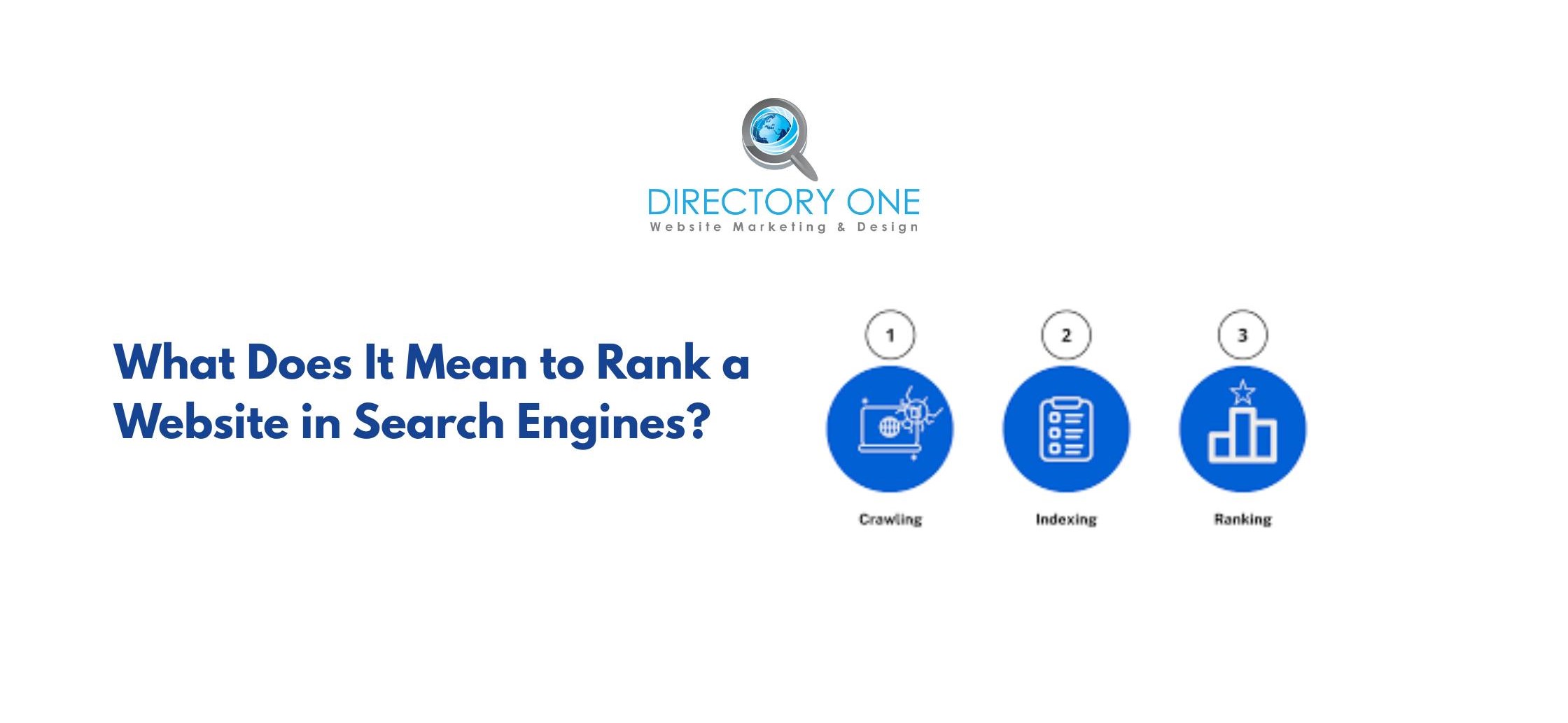
Before diving into tactics, let’s be clear about what ranking actually means — and what it takes.
When someone types a query into Google, the search engine scans hundreds of billions of indexed pages and returns the most relevant, trustworthy results. According to Google Search Central, these decisions are made by automated ranking systems that evaluate hundreds of signals simultaneously — including content relevance, page authority, user experience, and technical health.
Ranking your website means earning one of those top positions. Specifically, it means convincing Google that your page is the best, most helpful answer to a particular search query.
There is no shortcut to this. However, there is a clear, repeatable process.
How Search Engines Rank Websites? (Ranking Factors Explained)
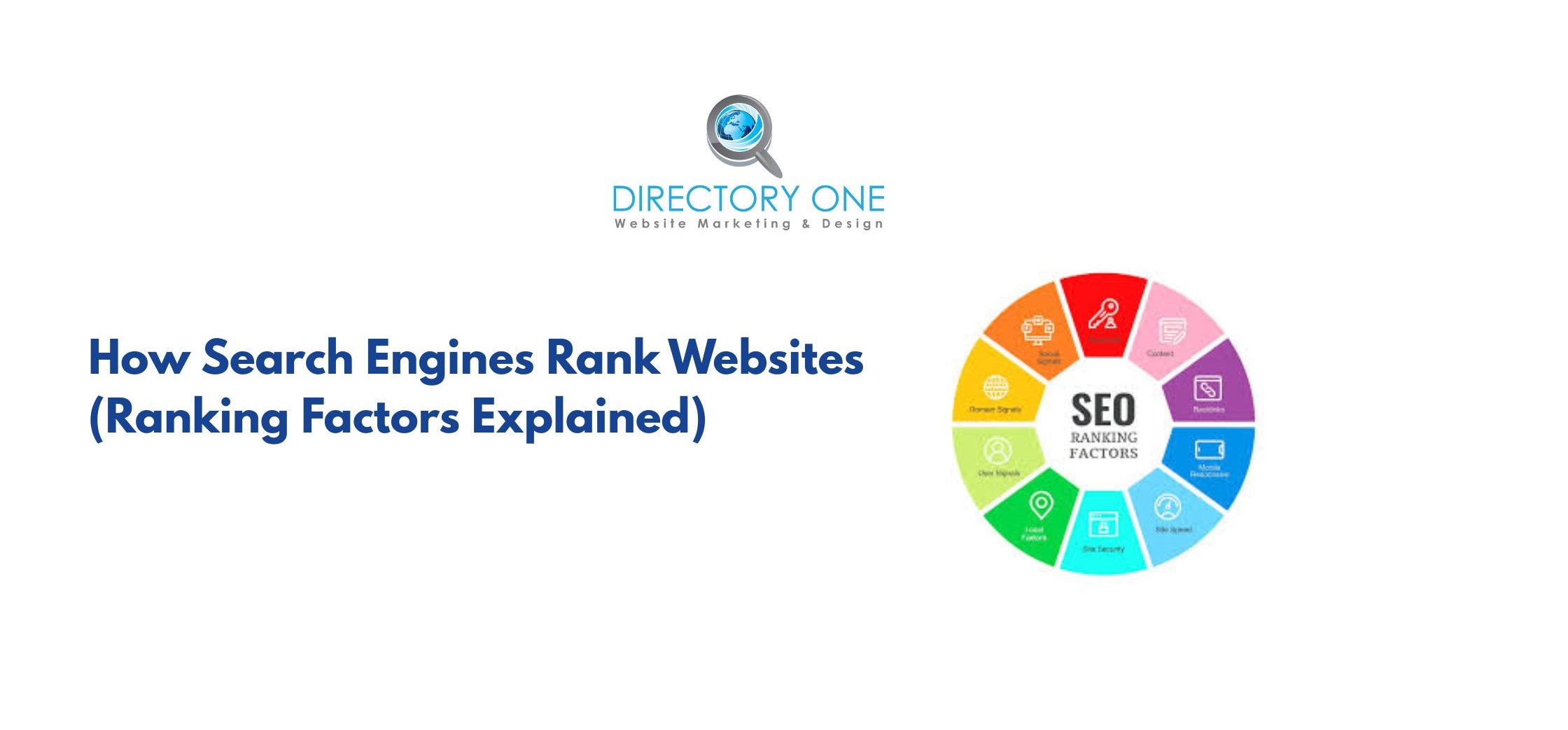
Google’s ranking systems are complex. However, they consistently reward three core areas. According to some studies, high-quality content, page experience, and backlinks are the top three ranking factors in Google’s algorithm.
So, here is a practical breakdown:
- Content relevance and quality.
Google’s helpful content system — integrated into core ranking since March 2024 — evaluates whether your page was written for people first, not search engines. Pages demonstrating genuine expertise, original insight, and comprehensive topic coverage consistently outrank thin, generic content.
- Backlinks and domain authority.
The top-ranking page on Google has an average of 3.8 times more backlinks than pages ranked positions 2 through 10, according to Backlinko’s analysis of over 11 million search results. Backlinks from authoritative, relevant domains signal trust to Google.
- Technical health and page experience.
Core Web Vitals are confirmed Google ranking signals. According to Google’s own research, bounce rates increase by 32% when page load time increases from 1 to 3 seconds. Sites that pass Core Web Vitals thresholds consistently outperform those that do not.
- E-E-A-T signals.
Google evaluates Experience, Expertise, Authoritativeness, and Trustworthiness across your entire site — not just individual pages. Author credentials, original research, and factual accuracy all contribute.
Understanding these pillars is essential because everything else in this guide builds on them.
How to Rank a Website in Search Engine (Step-by-Step Guide)
Step 1: Keyword Research — Find What People Are Actually Searching
Every successful SEO campaign starts with keyword research. However, picking the right keywords matters far more than picking popular ones.
- Target long-tail keywords.
Long-tail keywords account for 70% of all search traffic, according to study. They are more specific, less competitive, and attract higher-intent users. For a new or mid-authority site, they are the fastest path to first-page rankings.
- Match search intent.
Google classifies searches as informational, navigational, commercial, or transactional. Your content must match the intent behind the keyword — not just include the keyword. Intent-focused pages achieve significantly higher conversion rates than pages that simply target keywords without understanding why users are searching.
- Use Google Search Console.
It is free, authoritative, and shows you exactly which queries your site is already appearing for. This data is your best starting point for identifying ranking opportunities.
Practical keyword framework:
- Identify your primary keyword (high relevance, achievable competition).
- Find 4–6 secondary and related keywords to support the same page.
- Check the “People Also Ask” section in Google for natural subtopics to address.
Step 2: On-Page SEO — Optimize Every Page Before Publishing
Meta tags optimization is your first on-page priority. According to Backlinko, nearly 100% of page-one results use their target keyword in the title tag or H1.
Title tags between 40 and 60 characters generate an 8.9% higher click-through rate than other lengths. And while 25% of ranking pages lack a meta description, writing one is still one of the easiest SEO wins available.
How to optimize meta tags:
- Include the primary keyword naturally in your title tag
- Keep titles under 60 characters so they display fully in search results
- Write meta descriptions under 155 characters that summarize the page value and include the keyword
- Do not duplicate meta tags across pages — every page needs a unique title and description
Keyword placement matters.
Place your primary keyword in: the H1 heading, the first paragraph, at least two H2 subheadings, the URL slug, image alt text, and naturally throughout the body. However, avoid over-optimization. Pages in the top 10 today have a 50% lower keyword density than those ranking a couple of years ago, per BrightEdge — Google rewards natural language, not keyword stuffing.
Content optimization.
Content optimization goes beyond keywords. Structure content with clear H2 and H3 headings as per Google Search Central’s heading and content structure guidance. Use short paragraphs, bullet points, and tables to improve scannability. The average Google first-page result contains 1,447 words, according to Backlinko — but depth and completeness matter more than word count alone.
How to Rank a Website on Google First Page?
Getting to page one requires combining on-page strength with off-page authority. Here is what specifically pushes pages into the top 10.
- Build topical authority.
Google rewards sites that cover a topic comprehensively. Instead of publishing one isolated blog post, build topic clusters: a pillar page covering the broad topic, supported by multiple related posts that link back to it. This internal linking strategy for SEO signals topical depth to Google and passes authority between pages.
- Earn high-quality backlinks.
According to Ahrefs, only 5.7% of pages rank in the top 10 within a year of publication. For most, it takes time — and backlinks. Focus link building strategies on earning editorial links from relevant, authoritative sites. Digital PR, original data studies, expert roundups, and genuinely useful resources attract natural backlinks without risking penalties.
- Anchor text optimization matters.
Use descriptive, relevant anchor text when linking internally and when earning external links. Avoid overusing exact-match keywords as anchor text — this can trigger penalties. Vary anchor text naturally between branded, partial-match, and descriptive phrases.
- Target featured snippets.
Featured snippets capture approximately 67% of clicks for the queries they appear on, according to research. To earn them: answer a common question clearly in 40–60 words, use structured formatting, and place the answer near the top of the relevant section.
How to Rank a New Website on Google (Beginner Strategy)
Ranking a new website requires patience and a specific sequencing of tactics. However, it absolutely is achievable.
- Start with low-competition keywords.
A brand-new domain has no authority yet. Therefore, competing immediately for high-volume, competitive terms is not realistic. Instead, target long-tail, low-competition keywords where strong content alone can earn rankings without requiring hundreds of backlinks.
- Submit your site to Google Search Console.
This is the first technical step for any new website. Submit your XML sitemap through Search Console so Google can find and index your pages quickly. Verify your domain property — this unlocks the full suite of performance data.
- Crawlability and indexing come first.
Make sure your most important pages are crawlable — check your robots.txt file and ensure no important pages are accidentally blocked. Also, verify that your pages are being indexed using the URL Inspection tool in Search Console.
- Publish consistently.
Google favors sites with fresh, regularly updated content. A consistent publishing schedule signals an active, maintained site. Even two to four well-optimized posts per month compound significantly over time.
- Build early authority with local SEO.
If your business serves a local area, local SEO is the fastest route to early visibility. Set up and fully complete your Google Business Profile, build local citations, and target location-specific keywords, such as search engine optimization Houston TX, or your specific service area.
How to Improve Website Rankings Without Spending on Ads?
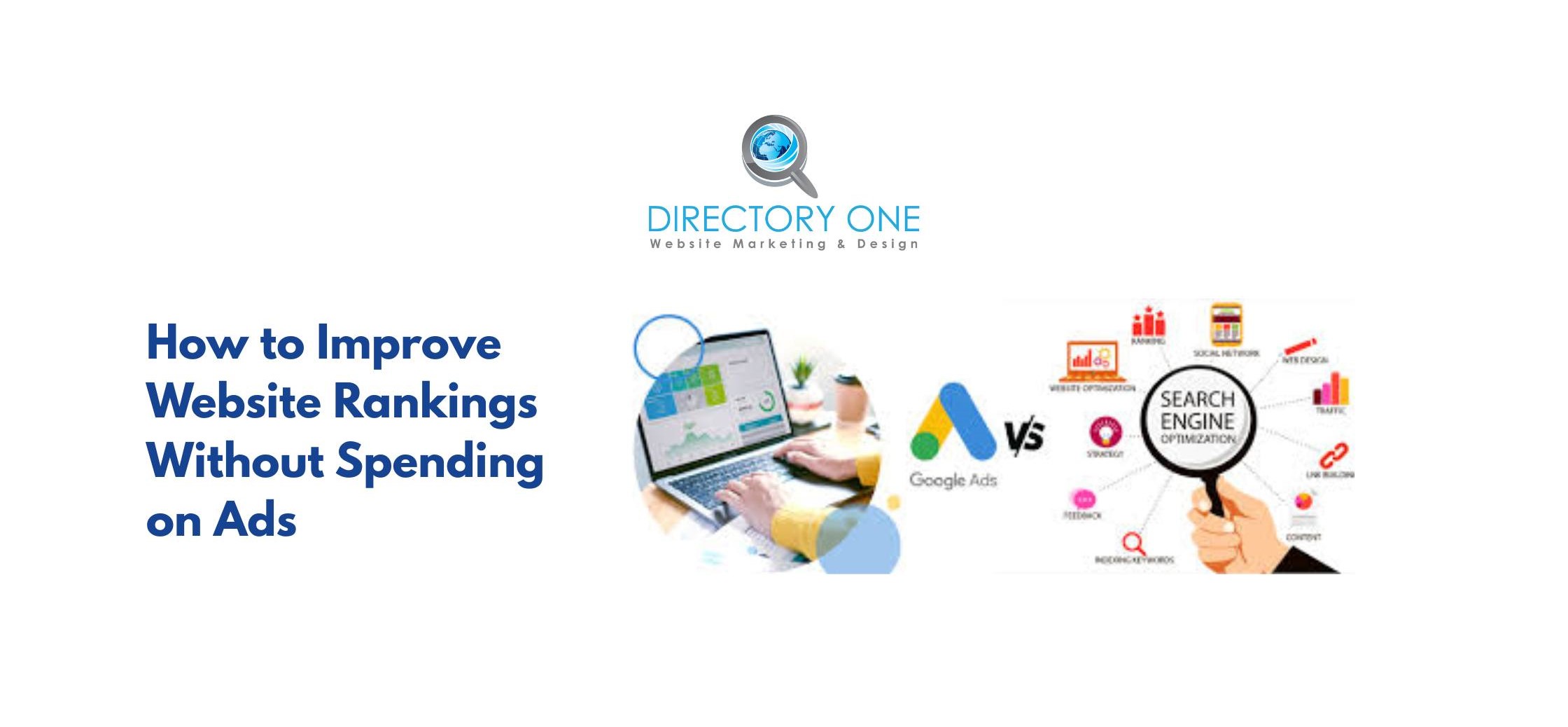
Paid ads stop the moment you stop paying. Organic rankings compound over time. Here is how to improve website rankings without spending on ads:
- Update and refresh existing content.
Google’s query-freshness systems favor recently updated content for many searches. According to Ahrefs, around 60% of pages ranking in Google’s top 10 are more than 3 years old — which means refreshing older pages with new data, statistics, and examples can recover lost rankings faster than publishing new content.
- Improve internal linking strategies.
An effective internal linking strategy for SEO distributes authority across your site and helps Google understand page relationships. According to research, URLs with 40–44 internal links receive significantly more organic traffic than pages with only a handful. Add relevant internal links whenever you publish new content and audit older pages regularly.
- Earn backlinks through original content.
Long-form content receives 77.2% more backlinks than short articles, per Backlinko. Publish comprehensive guides, original data, or unique case studies that give other sites a genuine reason to link to you. This is the most sustainable link building strategy available without a paid budget.
- Optimize for mobile.
Mobile devices account for over 63% of organic search traffic globally, according to Statista. Mobile-first indexing means Google primarily uses your mobile version for ranking. If your mobile experience is poor, your rankings suffer regardless of how good your desktop site is.
Emerging SEO Strategies for Better Ranking in 2026
SEO is not standing still. These emerging approaches are already influencing rankings in 2026.
- Optimize for AI Overviews.
According to Semrush data, Google AI Overviews now appear on roughly 16% of all queries. Importantly, sources cited in AI Overviews tend to be authoritative, well-structured pages with strong E-E-A-T signals. The same practices that earn traditional rankings — original expertise, clear structure, accurate information — also improve AI Overview visibility.
- Target conversational queries.
According to Google’s 2025 Year in Search data, searches starting with “how do I…” hit an all-time high with a 25% year-over-year increase. Creating content structured around natural, question-based language directly captures this growing query type.
- Build structured data (schema markup).
Websites using comprehensive schema markup are significantly more likely to earn rich results and Knowledge Panels. 72% of first-page results use schema markup, according to Backlinko. Yet 23% of websites still have no structured data at all — a significant competitive gap.
- Boost website rankings with geo and SEO services.
Local SEO signals continue to grow in importance. 46% of all Google searches have local intent. If you are a business exploring search engine optimization Houston TX, or you serve a specific region, combining geographic targeting with technical SEO creates a compounding advantage that national competitors cannot easily replicate.
How to Improve Website Ranking in Google Search (Advanced Tips)
Once your fundamentals are solid, these advanced strategies accelerate results.
How to improve page rank of your website with Core Web Vitals.
Website speed optimization is a direct ranking factor. Aim for Largest Contentful Paint (LCP) under 2.5 seconds, Interaction to Next Paint (INP) under 200ms, and Cumulative Layout Shift (CLS) under 0.1. According to Google research, as page load time increases from one to three seconds, bounce probability rises 32%. Use Google PageSpeed Insights and Google Search Console’s Core Web Vitals report to identify and fix issues.
Fix crawlability gaps.
Use Screaming Frog or a similar crawler to identify pages blocked from indexing, broken internal links, redirect chains, and duplicate content issues. Without solid crawlability, even excellent content will not appear in results.
Prioritize mobile friendliness.
Google uses your mobile version for indexing. Test every page with Google’s Mobile-Friendly Test and resolve any issues before expecting strong rankings.
Consolidate content with canonical tags.
If your site has duplicate or near-duplicate pages, use canonical tags to tell Google which version to index. Duplicate content dilutes authority across multiple pages instead of concentrating it on one.
Internal Linking Strategy for Better Ranking
Internal linking is one of the most underused SEO strategies for better ranking — and one of the most impactful changes you can make without creating new content.
Here is how to build an effective internal linking strategy for SEO:
- Link from high-authority pages to pages you want to rank.
Your homepage and cornerstone content pages carry the most authority. Use them to pass link equity to important service and blog pages that need ranking help.
- Use descriptive anchor text.
Generic anchors like “click here” waste the opportunity. Use specific, keyword-relevant anchor text that describes the destination page. This helps Google understand page relationships and topical relevance.
- Create topic clusters.
Group related content around a pillar page. Every cluster post should link back to the pillar, and the pillar should link to all cluster posts. This structure builds topical authority and improves indexing efficiency.
- Audit regularly.
Add internal links to new pages from relevant older content. Over time, orphan pages — pages with no internal links pointing to them — accumulate and quietly underperform. A quarterly internal link audit prevents this.
- Practical rule:
Every new page you publish should receive at least 2–3 internal links from existing relevant pages before it launches. This is one of the easiest and most immediate wins available for any website.
Professional SEO Services to Improve Website Ranking
SEO compounds over time — but only when the work is done correctly from the start. Many businesses see faster, more consistent results by partnering with a professional team rather than learning everything through trial and error.
When evaluating professional SEO services to improve website ranking, look for teams that offer:
- Comprehensive technical SEO audits covering crawlability, indexing, and Core Web Vitals
- On-page optimization, including meta tags optimization, keyword placement, and content optimization services
- A transparent link building strategy focused on quality over volume
- Local SEO expertise if you serve a specific geographic market
- Regular reporting tied to business outcomes — not just rankings
At Directory One, we have been helping Houston businesses and national brands rank a website in search engine results for over two decades. Our team includes Houston search engine optimization experts who understand both the technical foundations and the content strategies that drive sustainable rankings.
Whether you need an organic search engine optimization company Houston for local visibility or a broader digital growth strategy, we build campaigns around your specific business goals.
Ready to Rank? Let’s Build Your SEO Strategy.
If you are looking for search engine optimization agency Houston results — or nationwide organic growth — Directory One has the expertise and the track record.
We specialize in:
- Search Engine Optimization (SEO) — full-service organic growth for Houston and national businesses
- Pay Per Click Management — for when you need results while SEO builds
- Link Building Services — quality backlinks that move rankings
- Content Marketing — SEO-optimized content built around your audience
- Website Design — fast, mobile-first websites built to rank from day one
Conclusion
How to rank a website in search engine results comes down to three compounding pillars: content that genuinely helps people, technical foundations that let Google find and understand that content, and authority signals — primarily backlinks — that confirm your site is trustworthy.
None of these pillars work in isolation. However, together they create a ranking position that is sustainable and difficult for competitors to displace.
Call us at 713.269.3094 or visit our website directoryone.com and let us help you rank your website on Google’s first page and drive real results.
About The Author
